Author: patrick

How to Tell if a Pizza Place Uses Quality Ingredients 2026 Smart Green Flags

How Can You Tell if a Pizza Place Uses Quality Ingredients?

How to Tell if a Pizza Place Uses Quality Ingredients

How to tell if a pizza place uses quality ingredients starts with paying attention to what you can actually see, taste, and compare instead of relying only on marketing words. Most customers will never stand in the kitchen or inspect a prep table, but they can still make a strong judgment by looking at crust texture, sauce balance, cheese behavior, topping freshness, menu focus, and how consistent the pizza feels from one slice to the next. These clues matter because ingredient quality usually shows up in the finished pie long before a restaurant ever explains it.

That makes this topic useful for anyone ordering pizza in real life. Some people want a better weeknight takeout option. Some want to know if a pizza place is worth the price before feeding a family or group. Others simply want to avoid paying for a pie that sounds impressive on paper but tastes flat once it reaches the table. In all of those cases, ingredient quality is one of the biggest reasons one pizza feels memorable while another feels forgettable.

This guide takes a balanced and practical approach. It does not assume expensive always means better, and it does not pretend every local pizza place automatically uses great ingredients. Instead, it explains how customers can judge quality more fairly by looking at repeatable signs. That includes dough behavior, sauce character, cheese melt, topping handling, menu language, freshness clues, value, and consistency. These are the things that usually separate a pizza built with care from one that simply fills the box.

Why Ingredient Quality Matters More Than People Think

Ingredient quality affects much more than flavor alone. It shapes crust texture, sauce balance, cheese melt, topping behavior, and even how well the pizza reheats later. A pie made with stronger ingredients often tastes more complete because each part supports the others. The crust does not disappear into blandness. The sauce tastes intentional instead of generic. The cheese adds richness without turning greasy or rubbery. The toppings feel like actual components of the pizza rather than decoration thrown on at the end.

Quality also affects consistency. Better ingredients do not guarantee a perfect pizza, but they usually give the kitchen a stronger starting point. When the inputs are more thoughtful, the final product has a better chance of tasting balanced from one visit to the next. That matters because most people are not looking for one lucky order. They want a pizza place that feels dependable enough to revisit.

There is also a value issue here. Customers often focus on price first, but a cheaper pizza can still feel like the worse deal if the sauce tastes flat, the toppings feel low-effort, or the slices become less enjoyable after the first few bites. A pizza made with better ingredients may cost a little more, yet still feel more worthwhile because the eating experience is stronger from start to finish.

How to Tell if a Pizza Place Uses Quality Ingredients in 9 Practical Ways

1. Start with a simple pie before judging the whole menu

If you want the clearest read on quality, begin with a cheese pizza or a simple pepperoni pie. Complex specialty combinations can hide weaknesses because there are too many flavors competing for attention. A simpler pizza makes it easier to notice the dough, sauce, cheese, and overall balance. If the restaurant handles the basics well, that is a better sign than any flashy topping list.

This is one of the smartest ways to compare pizza places fairly. Strong ingredients tend to show themselves more clearly in simpler builds because there is less to hide behind.

2. Look closely at the crust and edge color

Dough quality is one of the biggest signals. A good crust usually has structure, color, and texture that feel intentional. Depending on style, it may be airy, chewy, crisp, or sturdier, but it should not feel lifeless. The edge should look baked, not pale and unfinished. A bland or dry crust often suggests the dough is being treated as a container instead of an important part of the pizza.

You should also notice whether the crust tastes like it belongs with the toppings. When the dough has character, the entire pizza tends to feel more complete. That is often one of the first reasons a local pie feels better than a generic one.

3. Pay attention to how the sauce tastes on its own

Sauce can tell you a lot about ingredient quality because it is hard to fake balance. A better sauce usually tastes deliberate. You may notice brightness, some natural sweetness, seasoning, or depth without the flavor turning heavy or one-dimensional. Weak sauce often tastes either too sugary, too flat, or too hidden under everything else.

What matters most is whether the sauce supports the pizza instead of just filling a required layer. If the sauce feels thoughtful, that is often a strong sign the kitchen cares about what goes into the pie.

4. Notice how the cheese melts and settles

Cheese quality often shows up in texture and behavior more than in brand names customers never see. Better cheese usually melts evenly, stretches in a natural way, and supports the slice without making it collapse into oil too quickly. Lower-quality cheese can feel rubbery, heavy, or oddly greasy. In some cases, it may blanket the pizza without adding much flavor.

This is especially clear on a cheese pizza. If the cheese layer feels balanced and the slice still holds together well, that is usually encouraging. If the cheese feels like the only thing carrying the pie, quality may be weaker than the menu suggests.

5. Check whether the toppings look fresh and make sense together

Toppings are often where customers look first, but the smartest approach is not asking whether there are many toppings. It is asking whether they look fresh, cooked properly, and used with restraint. Vegetable toppings should still show some life in color and texture instead of looking limp or watery. Meat toppings should appear browned and intentional rather than dropped on as an afterthought.

Quality ingredients usually work best when they are balanced. A pizza overloaded with toppings can still feel less impressive than one with a more controlled build if the heavier pie turns soggy or chaotic. Good ingredients tend to shine more when the pizza is assembled with purpose.

6. Read the menu for confidence, not just variety

A menu can quietly reveal a lot about ingredient quality. A strong pizza place often has a point of view. The pies feel intentional, the combinations make sense, and even simple offerings feel like they were chosen on purpose. A giant menu is not automatically a bad sign, but restaurants that try to be everything to everyone sometimes feel less focused on what they do best.

Look for descriptions that sound confident rather than overly vague. If the menu seems built around real pizza choices instead of endless filler, that can be a positive sign that the ingredients and combinations matter to the kitchen.

7. Study customer photos, not just polished marketing images

Customer-uploaded photos can be more helpful than professional images because they show what the pizza typically looks like in real ordering conditions. If multiple customer photos reveal similar crust color, topping distribution, and overall quality, that suggests consistency. If the pizzas look wildly different from one order to another, that may signal uneven execution or uneven ingredient handling.

Photos can also reveal freshness clues. Do the vegetables look freshly cut or tired? Does the cheese appear balanced or excessive? Do the slices hold shape or sink under too much oil and weight? These details give you a better read than a single staged image ever could.

8. Judge the pizza slice by slice, not just at first glance

Some pizzas make a strong first impression but weaken once you actually eat them. Quality ingredients usually hold up across the entire pie. The first slice should not be the only good one. Each slice should feel reasonably balanced, with the same general level of sauce, cheese, and topping support. If one area of the pizza feels complete and the rest feels sparse or messy, that may suggest the place is prioritizing appearance over consistency.

This slice-by-slice test is especially useful for family or group meals, where fairness and balance matter more. A quality pizza should feel like the whole pie was built with care, not just the center.

9. Watch how the pizza tastes as it cools slightly

A pizza made with stronger ingredients often stays enjoyable even after it is no longer at peak oven heat. The flavors remain clearer, the crust keeps some character, and the slice still feels satisfying. A weaker pizza can fade fast once it cools. The grease becomes more noticeable, the crust turns dull, and the toppings lose whatever first-impression strength they had.

This is not a perfect scientific test, but it is practical. Most people do not eat every slice the second it comes out. If the pizza still tastes good a little later, that often says something positive about the ingredients and the overall build.

Why Dough, Sauce, and Cheese Reveal the Most

When people try to judge ingredient quality, they often focus on toppings because toppings are the easiest part to see. In reality, dough, sauce, and cheese usually tell you more. Those three components are present on almost every bite, and they shape the entire structure of the pizza. If any of them are weak, the whole pie usually feels weaker no matter how interesting the toppings may be.

Dough reveals whether the crust was treated seriously. Sauce reveals whether the flavor profile has balance and identity. Cheese reveals whether richness, texture, and melt are working with the rest of the pizza or overwhelming it. That is why simple pies can be so helpful. They force the kitchen to stand on fundamentals.

Readers comparing pizza styles through this lens may also find these related articles helpful:

Those comparisons matter because ingredient quality can show up differently depending on style, but the fundamentals still tend to reveal the truth.

What Customer Photos and Menus Can Tell You

Most customers will judge a pizza place before ordering by looking at menus and photos. That is not a bad habit as long as it is done carefully. Menus can show whether the restaurant feels focused, and customer photos can show whether the actual product lines up with the promise. Together, those two sources often give a better preview than advertising language alone.

A confident menu usually has some identity. It gives the impression that the kitchen knows what it is doing and why certain pies belong there. Customer photos then either confirm or challenge that impression. If the photos repeatedly show strong crust, reasonable topping balance, and consistent results, confidence grows. If the pictures show limp vegetables, uneven cheese, or wildly inconsistent bake quality, that matters too.

It is also smart to notice whether the pizza looks good only in one close-up shot or across many different customer posts. Real quality usually repeats. That repeatability is one of the most useful clues available to ordinary diners.

Freshness, Balance, and Slice Consistency

Freshness matters, but freshness alone is not enough. A pizza can include fresh-looking ingredients and still taste unbalanced if the crust is weak, the sauce is flat, or the toppings overwhelm the rest of the pie. That is why the better test is freshness combined with balance. The components should work together instead of fighting for attention.

Slice consistency is part of that balance. Better ingredients usually help create a pie where each slice feels like part of the same experience. You do not get one slice overloaded with cheese and another that feels underbuilt. You do not get a center pile that leaves the outer slices weak. When the whole pie feels evenly cared for, ingredient quality usually played a role in that result.

This also matters for leftovers. A pizza that stays enjoyable after some time has passed usually has stronger fundamentals. If it falls apart quickly, feels greasy, or tastes dull once the heat fades, that can point to weaker quality or weaker balance overall.

For readers thinking about hold time and leftovers, this related guide may help: how long does pizza stay fresh after delivery.

Price Does Not Always Equal Ingredient Quality

One common mistake is assuming the highest-priced pizza must be using the best ingredients. That is not always true. Price can reflect many things, including location costs, portion size, delivery fees, specialty add-ons, and ordering platform markups. A more expensive pie may still disappoint if the ingredients are not handled well. At the same time, a moderately priced pizza can feel like excellent value if the crust, sauce, cheese, and toppings all work together with real care.

The better question is whether the pizza tastes worth what you paid. Did the slice feel satisfying? Did the ingredients seem balanced and intentional? Did the meal hold up for the whole table? Those questions are more useful than price alone when judging quality.

That becomes even more important for family meals or shared orders. If several people are eating, ingredient quality affects not just flavor but also whether the whole meal feels complete and worthwhile.

How to Judge Quality Before a Big Family or Group Order

When you are ordering for more than one person, the safest approach is to test a place with a smaller, simpler order first. A basic pie or two can tell you whether the kitchen handles ingredients well before you trust it with a larger spend. That is especially smart if the meal matters for a group hangout, a family dinner, or a gathering where disappointment affects several people at once.

It also helps to compare how well the menu supports real ordering needs. Can you understand sizes and combinations easily? Do the pies seem built for sharing? Does the place appear to handle larger orders confidently? These signs may not directly prove ingredient quality, but they help show whether the restaurant takes the whole experience seriously.

For order planning and group decisions, these internal reads may help:

Those use cases matter because the best ingredient judgment is not abstract. It should help you make better ordering decisions in actual situations.

If you want to keep comparing pizza quality through different lenses, these resources fit naturally with this topic:

For direct planning, menu browsing, and larger orders, these pages are also useful:

For public-facing updates and brand references, readers can also browse:

Final Takeaway

How to tell if a pizza place uses quality ingredients becomes easier when you focus on repeatable clues instead of vague claims. Strong crust, balanced sauce, even cheese melt, fresher-looking toppings, slice consistency, and a confident menu all point in the right direction. No single sign proves everything on its own, but when several of these clues appear together, the pizza usually gives you a much better chance at a worthwhile meal.

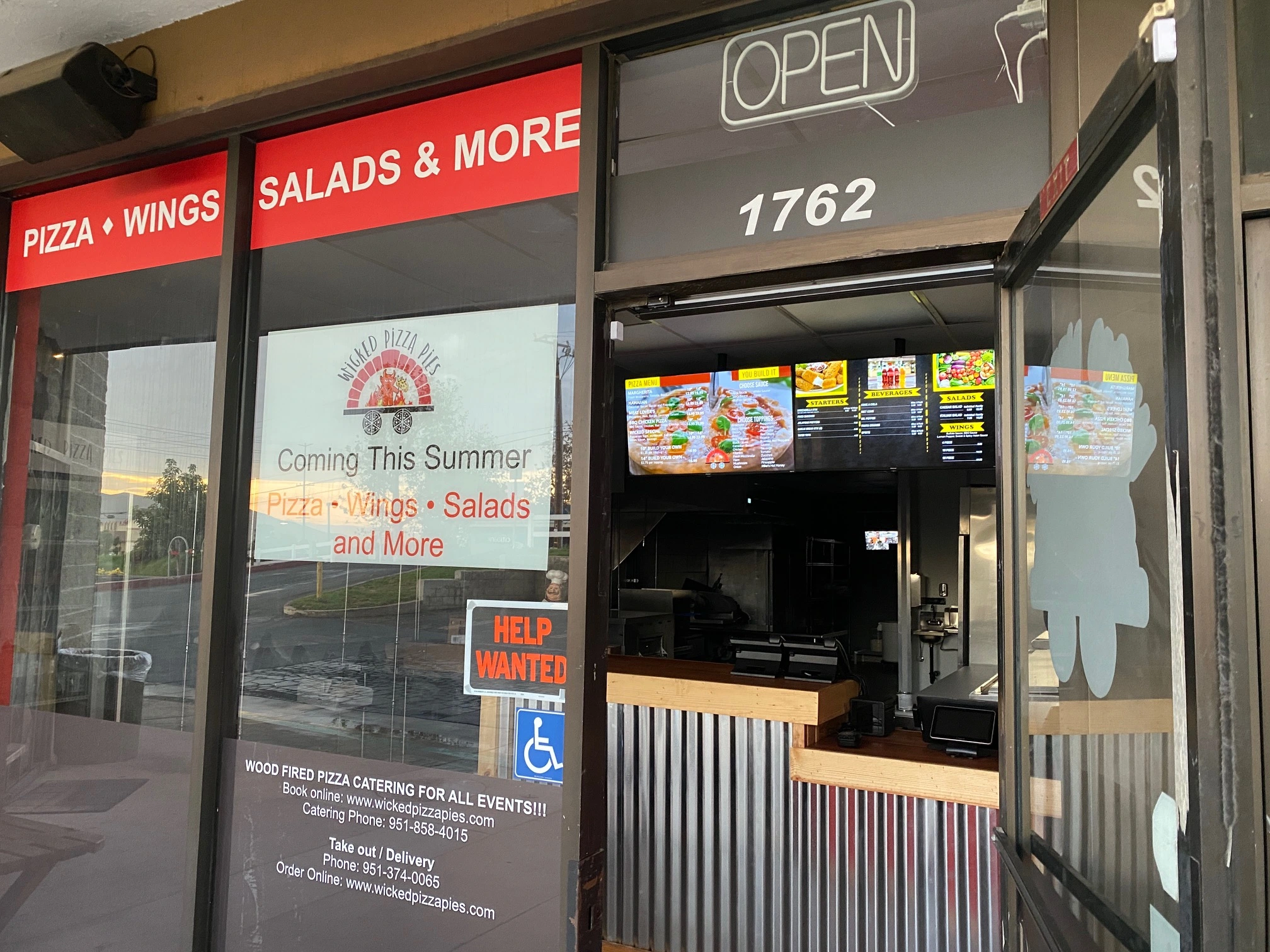
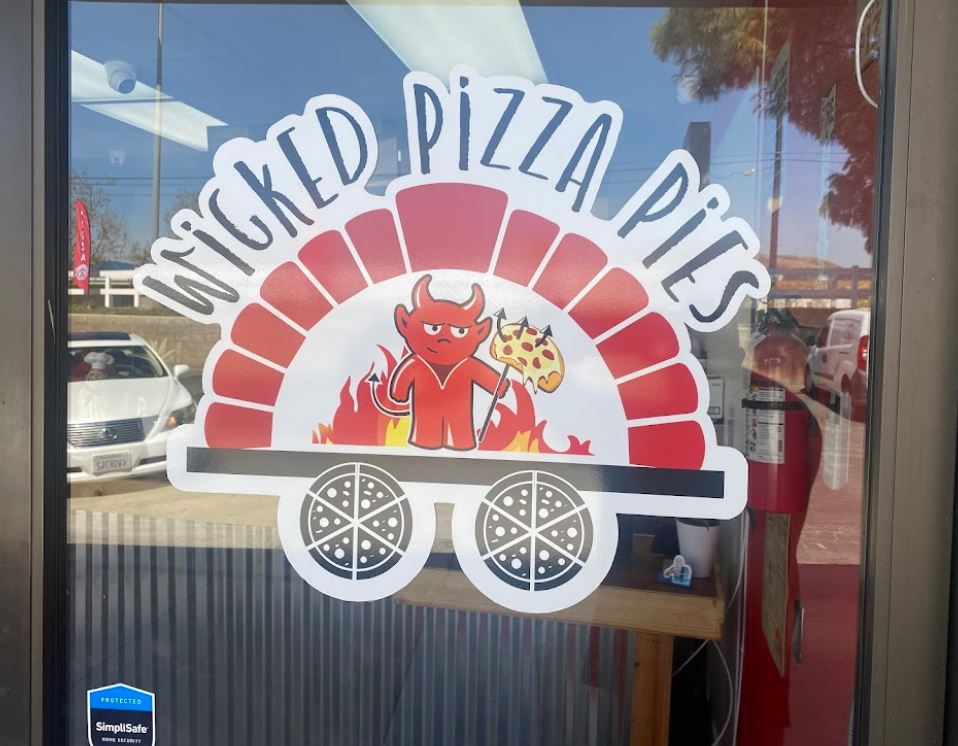
For readers who want a practical Norco benchmark within that conversation, Wicked Pizza Pies is one local option that fits naturally into the kind of ingredient-focused pizza experience this guide is describing. The better long-term habit, though, is to apply these checks whenever you evaluate any pizza place. That is what helps you move beyond marketing words and judge the pie on what actually matters once it reaches the table.

FAQ

What is the easiest way to judge ingredient quality at a pizza place?

Start with a simple pizza like cheese or pepperoni. That makes it easier to notice the dough, sauce, cheese, and overall balance without too many toppings covering the basics.

Does a more expensive pizza always mean better ingredients?

No. Price can reflect many things besides ingredient quality, such as size, specialty toppings, delivery fees, and platform markups. It is better to judge whether the pizza tastes worth the price than to assume the highest price means the best ingredients.

Which part of the pizza reveals the most about quality?

Dough, sauce, and cheese usually reveal the most because they shape almost every bite. Toppings matter too, but the foundation often tells you more about whether the kitchen is working with stronger ingredients.

Can customer photos really help me judge ingredient quality?

Yes, especially when you compare many photos rather than one polished image. Customer photos can show crust color, topping freshness, cheese balance, and how consistent the pizza looks across different orders.

How can I tell if toppings are actually fresh?

Look for color, texture, and how they cook on the pizza. Vegetables should not look overly limp or watery, and meat toppings should appear properly cooked and intentional rather than randomly scattered.

Why does slice consistency matter so much?

Because a quality pizza should feel balanced across the whole pie, not just in one section. Consistent slices suggest better ingredient handling and more thoughtful assembly from the kitchen.

How to Tell if a Pizza Place Uses Quality Ingredients 2026 Smart Green Flags
Pizza Places in Norco That Care About Customer Experience 2026 Clear Signs

What Pizza Places in Norco Care Most About Customer Experience?

Pizza Places in Norco That Care About Customer Experience

Pizza places in Norco that care about customer experience usually make their value obvious long before the first slice is finished. The menu feels understandable, the order process feels smooth, expectations are clearer, and the final result matches what customers thought they were paying for. That kind of experience matters because pizza is often ordered during real-life moments when people do not want surprises. Families need dinner to go smoothly. Groups need a dependable plan. Busy customers want food that arrives or gets picked up without confusion, guesswork, or disappointment.

When people talk about a good pizza place, they often focus on crust, sauce, or toppings first. Those details matter, but customer experience plays a major role in whether people return. A pizza can taste good once and still fail to become part of someone’s routine if the ordering is messy, the wait time feels unclear, the staff communication is poor, or the quality changes too much from one visit to the next. On the other hand, a strong neighborhood pizza place often earns trust because it handles the full experience well, not just the food itself.

This article takes a practical, neutral approach to the topic. Instead of making a shaky ranking of every shop in town, it explains what customers should look for when they want pizza places in Norco that care about customer experience. That includes menu clarity, consistency, timing, issue handling, pickup flow, dine-in comfort, group-order readiness, and overall value. It is a more useful way to judge pizza spots because it matches how people actually order and eat.

What Customer Experience Means at a Pizza Place

Customer experience at a pizza place is not just about whether the staff is polite. It includes the entire sequence from the moment someone decides to order until the last slice is eaten. That means the website or menu should be reasonably clear, the choices should make sense, the expected timing should feel honest, and the pizza itself should arrive in the condition the customer hoped for. Good customer experience is really about reducing friction while still delivering a satisfying meal.

At a local pizza shop, experience also includes whether the place feels like it understands how customers actually use it. Some people need a quick family dinner. Some want a casual dine-in meal without overthinking it. Some are ordering for a group, where timing and portion planning matter more. Some are making a last-minute pickup run after work. A pizza place that cares about customer experience usually handles those real-life situations better because it has thought through what customers need at each stage.

That does not mean perfection is required every single time. Rush periods happen. Orders get large. Kitchens get busy. The stronger test is whether the place communicates clearly, stays reasonably consistent, and responds to normal pressure without making the customer feel ignored or confused.

Why Customer Experience Matters as Much as Pizza Quality

Food quality gets the first impression, but customer experience decides whether a place earns repeat business. A pizza with strong crust and sauce can still leave a weak overall memory if the ordering felt messy, the pickup line felt disorganized, or the timing was far from what the customer expected. That is especially true for pizza because many people order it when they want simplicity. Pizza is often the backup plan, the shared family plan, or the low-stress Friday plan. When the experience becomes stressful, the shop loses part of what makes pizza appealing in the first place.

Experience also shapes how customers judge value. People are usually more forgiving of price when the process feels reliable and the order arrives as expected. They are less forgiving when they feel like they had to work too hard for the meal. A slightly higher-priced pizza can still feel worth it if the service, timing, and quality all line up. A cheaper pizza can still feel disappointing if the experience creates confusion or frustration.

In practical terms, good customer experience often looks simple from the outside. The order goes in without trouble. The estimate feels realistic. The food is ready close to when the customer expected. The pizza matches the menu description. If something goes wrong, the communication is respectful and clear. Those are the details that turn a pizza place from a one-time option into a regular habit.

Pizza Places in Norco That Care About Customer Experience Show 7 Signs

1. The menu is easy to understand

A pizza place that cares about customer experience does not make customers work too hard just to figure out what to order. The sizes, specialty pies, toppings, and extras should make sense without confusion. Menus do not need to be tiny, but they do need some structure. If a customer has to decode the difference between several similar pies or guess how many people a certain order will feed, the experience already starts with friction.

Clear menus reduce mistakes and help customers make better choices. That matters for both first-time customers and repeat customers trying something new. A well-organized menu is one of the earliest signs that the restaurant respects the customer’s time.

2. The order process feels smooth, not stressful

Whether someone orders online, by phone, or in person, the process should feel straightforward. Good pizza places do not need fancy technology to deliver a strong experience, but they do need enough clarity that customers can place an order confidently. That means the customer knows what was ordered, has a reasonable sense of timing, and does not feel uncertain about what happens next.

Simple order flow is especially valuable on busy evenings. When a family is trying to solve dinner quickly, a smooth experience often matters almost as much as the pizza itself.

3. Timing feels honest and realistic

Customers do not usually expect instant service during peak hours. What they do want is honesty. A pizza place that cares about experience tends to set more realistic expectations. If the kitchen is slammed, that should be reflected in the estimate. If a group order needs more time, that should be clear upfront. People are far more patient when the timing feels truthful than when the estimate sounds optimistic but ends up being far off.

This also helps the shop protect trust. Realistic timing is often better for customer loyalty than aggressive promises that are difficult to keep.

4. The pizza arrives the way the menu suggests it should

Customer experience is not separate from food quality. It includes whether the pizza matches what the customer thought they were ordering. If the crust is consistently well-baked, the toppings are balanced, and the whole pie feels close to the menu’s promise, the experience feels reliable. If each order feels unpredictable, even a good pizza night can be hard to repeat confidently.

That consistency matters because most customers are not looking for a surprise. They want the place to deliver on its own identity.

5. Pickup and handoff are reasonably organized

A lot of pizza orders are pickup orders, which means handoff matters. The strongest local pizza places usually make pickup feel efficient enough that customers do not stand around unsure whether their order is ready or where they should go. It does not need to be a perfect system. It just needs to feel coherent. People remember when pickup is messy because it creates stress at the exact moment they expected convenience.

Order labeling, timing communication, and a clear pickup rhythm all contribute more to customer experience than many restaurants realize.

6. The place handles problems without making things worse

No restaurant avoids every issue forever. Orders can get delayed. A topping can be missed. A rush window can hit harder than expected. The important difference is how the place responds. A pizza shop that cares about customer experience does not make the customer feel blamed or dismissed. It communicates calmly, explains what happened when necessary, and tries to solve the issue without adding more friction.

Customers often remember good recovery more positively than minor perfection. A respectful response can preserve trust even when something goes wrong.

7. The experience fits normal life, not just ideal conditions

One of the best signs of a pizza place that cares is that it works well for ordinary, repeat situations. It handles a weeknight family order. It makes group planning easier. It stays dependable enough that customers do not have to rethink every detail each time they order. That usefulness is often what separates a local favorite from a place that is only good when the stars align.

A restaurant that understands routine customer needs usually earns stronger loyalty over time because it becomes part of people’s actual lives, not just their occasional cravings.

How Ordering Flow Affects the Entire Meal

Ordering flow seems like a small thing until it goes badly. If the menu is unclear, the site is hard to use, or the staff interaction leaves the customer uncertain about timing or accuracy, that confusion can affect the entire meal. Even if the pizza ends up tasting fine, the experience feels weaker because the customer had to spend energy managing the process.

On the other hand, when the ordering process is clean and simple, customers arrive at dinner in a better mindset. They know what is coming. They understand the expected wait. They feel more confident that the order is correct. That lowers friction and raises satisfaction before the first slice is even served.

This is especially important for first-time customers. Many local pizza places are judged not only by taste, but by how easy they are to trust on the first order. A confusing first experience can keep a customer from discovering that the pizza itself is strong. A smoother first experience gives the restaurant a fairer chance to earn repeat business.

For customers who want to plan more intentionally before placing a local order, these related reads may help:

Those use cases are where customer experience tends to matter most because the meal needs to work for more than one person at a time.

Pickup, Delivery, and Dine-In All Need Different Strengths

A pizza place can be strong in one service mode and weaker in another, so customer experience should be judged in context. Pickup needs reasonable timing, clear handoff, and a pizza that still feels balanced by the time it reaches home. Delivery needs realistic expectations, good packaging, and food that travels well enough to remain satisfying. Dine-in needs comfort, pacing, and a setting that supports the kind of meal the shop is trying to offer.

This matters because customers often compare restaurants unfairly when the experiences are not actually comparable. A dine-in pizza eaten right out of the oven is different from a delivery pizza after a longer ride. A well-run shop usually understands those differences and structures the experience accordingly. That might mean recommending certain pies for takeout, communicating better around rush windows, or keeping the service rhythm tighter during peak periods.

Travel and hold time also affect perception. Steam in the box can soften crust. Heavy toppings may shift more during a drive. A good customer experience includes understanding how the pizza performs beyond the kitchen, not just inside it. That is one reason realistic expectations matter so much.

If freshness after pickup or delivery matters to your household, this related article may help: how long does pizza stay fresh after delivery.

Why Customer Experience Matters Even More for Families and Groups

Customer experience becomes more important when more people are involved. A solo order can absorb some small problems without much consequence. A family dinner or group hangout has less margin for confusion. If the timing is unclear, the portions are harder to judge, or the order is difficult to coordinate, the whole experience feels more stressful than it should. That is why families and group planners often become especially loyal to pizza places that make the process easier.

For families, that often means clear sizes, dependable turnaround, and pizzas that satisfy different tastes without turning the order into a complicated project. For groups, it may mean a menu that supports larger quantities, better portion planning, and fewer surprises at pickup time. In both cases, the restaurant earns trust by reducing decisions and increasing confidence.

This is where neighborhood pizza places can stand out. A shop that understands normal local ordering patterns can build a much stronger experience than one that only seems polished on the surface. Practical usefulness is a major part of customer care, especially when meals are shared.

For customers planning different order sizes, these internal resources may help:

Those decision points are exactly where good customer experience proves its value.

Value Is About More Than Price

Customers often think about value in dollar terms first, but experience changes how value is perceived. A pizza order may cost a little more yet still feel worth it if the process is smoother, the pizza is more dependable, and the whole meal solves the customer’s need with less effort. On the other hand, a lower-priced order can still feel disappointing if the service is confusing or the final result feels less reliable than expected.

Because pricing can change with size, toppings, taxes, delivery fees, and ordering platform markups, it is usually more honest to talk about value than fixed totals unless someone is looking at the live menu. The better questions are these: Was the order easy enough to place? Did the timing feel fair? Did the food arrive in good condition? Did the portions and pizza quality make the dinner feel complete? Those questions often shape customer satisfaction more than raw price alone.

Value also rises when customers feel the restaurant respects their time. That is one of the biggest hidden factors in customer experience. A local pizza place that reduces friction often feels like the smarter purchase even before anyone compares exact numbers.

For readers planning an actual order, these direct pages are useful:

For public-facing profiles and updates, readers can also browse these pages:

Helpful Related Pizza Reads and Ordering Links

If you want to compare pizza experience from the food side as well as the service side, these related resources fit naturally with this topic:

Final Takeaway

Pizza places in Norco that care about customer experience usually reveal it through clarity, consistency, honest timing, organized pickup or delivery flow, and a willingness to make the meal feel easy rather than stressful. Food quality still matters, but what makes people return is often the combination of good pizza and a process that respects the customer’s time and expectations.

For readers looking for a practical local benchmark in that conversation, Wicked Pizza Pies is one Norco option that fits naturally into the kind of neighborhood pizza experience this guide is describing. The more useful long-term takeaway, though, is to use these signs whenever comparing any pizza place nearby. That is what helps customers find not only a good pie, but a place they can trust when dinner actually needs to go right.

FAQ

What does customer experience mean at a pizza place?

It includes the full process from menu clarity and ordering to timing, food accuracy, pickup or delivery flow, and how the restaurant responds if something goes wrong. It is much broader than friendly service alone.

Why does customer experience matter so much for pizza?

Pizza is often ordered when people want convenience and low stress. If the process feels confusing or unreliable, it weakens the value of the meal even if the pizza itself tastes decent. A smoother experience makes the whole order more satisfying.

How can I tell if a pizza place cares about customer experience before ordering?

Look for a clear menu, straightforward ordering, realistic timing, and signs of consistent quality in customer photos and reviews. Reviews that mention repeat trust, clear communication, and reliable service are often especially helpful.

Are pickup and delivery judged the same way?

No. Pickup needs organized handoff and clear timing, while delivery needs good packaging, realistic expectations, and food that travels well. Dine-in has its own strengths too, such as pacing and atmosphere.

Does a better customer experience always mean higher prices?

Not necessarily. It may sometimes feel that way, but value is about more than price alone. A smoother process and a more reliable meal can make an order feel more worthwhile even if it is not the cheapest option.

What is the most important sign of a good pizza experience?

Consistency is often the strongest sign. When a restaurant makes ordering easy, sets reasonable expectations, and delivers a similar quality level over time, customers are much more likely to trust it and return.

Pizza Places in Norco That Care About Customer Experience 2026 Clear Signs
Why Local Pizza Tastes Better Than Chain Pizza: 9 Honest Reasons

Why Does Local Pizza Taste Better Than Chain Pizza?

Why Local Pizza Tastes Better Than Chain Pizza

Why local pizza tastes better than chain pizza often comes down to a few simple things that customers notice immediately, even if they do not always describe them the same way. The crust may have more character, the sauce may taste less generic, the toppings may feel more balanced, and the whole pizza may come across as something a real kitchen cared about instead of something built to be identical in every location. That difference is not always dramatic, but it is often enough to make local pizza feel more memorable, more satisfying, and more worth ordering again.

That does not mean chain pizza is useless or automatically bad. Chains can still make sense when speed, convenience, app ordering, or promotions matter most. They solve a real problem for busy households, group orders, and late decisions. But when people say local pizza tastes better, they are usually reacting to flavor, texture, freshness, and a stronger sense that the pizza has its own identity. In other words, they are responding to the eating experience, not just the brand name.

This article looks at the question in a neutral and practical way. Instead of turning the topic into hype, it explains the common reasons local pizza often tastes better, when chain pizza may still be the better fit, and how readers can compare the two more fairly. That approach is more useful than making a blanket claim without explaining what people are actually tasting when they notice the difference.

What People Usually Mean When They Notice a Taste Difference

When someone says local pizza tastes better, they are usually talking about more than one thing at the same time. They may mean the crust has a better texture, the sauce tastes more balanced, the cheese feels less flat, or the toppings seem more intentional. They may also be reacting to freshness, especially if the pizza tastes like it came from a kitchen with a clearer style instead of a heavily standardized system.

There is also a psychological side to the experience, but that does not make the reaction less real. Food often tastes better when it feels more specific, more personal, and more connected to the place serving it. A neighborhood pizza shop can create that feeling more naturally because its menu, service, and overall rhythm often reflect local habits rather than a broad national template. When the pizza itself also delivers, customers remember it.

In practical terms, the taste difference usually comes down to texture, balance, identity, and repeatability. If a local place gets those things right, it often feels better than chain pizza even before people fully explain why.

Why Local Pizza Tastes Better Than Chain Pizza in 9 Common Ways

1. The crust usually has more character

Crust is often the first big difference people notice. Local pizza shops frequently build more personality into the crust, whether that means a better chew, a crisper finish, a more flavorful edge, or a texture that fits the house style more naturally. Chain pizza can be consistent, but that same consistency can sometimes make the crust feel less distinctive. It may serve its purpose well without giving the pizza much identity.

When crust tastes like an actual part of the meal instead of just the part you hold, the pizza tends to feel better overall. That alone can change how people judge the whole pie.

2. The sauce often tastes less generic

Sauce has a huge effect on pizza flavor because it sits right at the center of the bite. Local pizza shops often stand out here by offering sauce that feels more balanced or more memorable. It may taste brighter, more savory, less sweet, or simply more deliberate. Chain pizza sauces can be familiar and dependable, but they often prioritize broad appeal over distinct personality.

That difference is subtle but important. If the sauce tastes flat, overly sweet, or too uniform, the pizza can feel one-dimensional. A stronger sauce profile often makes local pizza feel more complete and less interchangeable.

3. The cheese and toppings are usually used with more intention

More cheese is not always better. More toppings are not always better either. What often makes local pizza taste better is not overload, but smarter balance. The cheese melts in a way that fits the crust and sauce. The toppings are distributed with intention instead of being dropped onto the center or scattered without much thought. Each slice feels like part of the same pizza, not a random section of it.

That kind of balance matters because it affects every bite. When ingredients work together, the pizza feels more thoughtful and more satisfying from the first slice to the last.

4. Local pizza often feels fresher

Freshness is hard to fake. A pizza that tastes fresh often gives a stronger impression of quality even if the customer cannot name every reason. The crust may feel livelier, the sauce may seem less dull, and the toppings may have more texture and definition. Local pizza shops often benefit from being able to make a pie feel less industrial and more immediate.

This does not automatically mean every ingredient is always better at every local shop. It means the overall result often tastes fresher because the pizza feels more directly tied to the kitchen’s own rhythm and style.

5. The menu usually has a stronger identity

A local pizza menu often says a lot about why the food tastes better. Signature pies may feel more specific. Basic pies may still feel worthy of attention. The combinations may show more confidence and less pressure to appeal to every possible customer at once. When a shop knows what kind of pizza it wants to make, that clarity often shows up in the taste.

Chain menus are designed to work across many locations and many customer types. That scale has benefits, but it can also flatten personality. A local menu often tastes more like a point of view.

6. The pizza is built for eating, not just for process efficiency

Chains have to think about speed, uniformity, logistics, and system control across many stores. Those priorities are understandable, but they can affect how the pizza tastes. Local pizza shops, especially good ones, often feel more focused on the final eating experience. That can show up in crust texture, topping placement, bake quality, and the way the whole pie feels once it is sliced.

In other words, local pizza often tastes better because it feels like the kitchen was thinking first about how the pizza would eat, not only how the process would scale.

7. The slices often hold a stronger sense of balance

One underappreciated reason local pizza tastes better is slice-to-slice consistency. A good local pie often makes each slice feel fair and complete. You get a solid balance of crust, sauce, cheese, and toppings across the whole pizza. Chain pizza can still be satisfying, but it sometimes leans harder on familiarity than balance. When the local version gets this right, the result feels more harmonious and less mechanical.

8. The atmosphere around the food affects taste

Food does not exist in a vacuum. A neighborhood pizza place often feels more personal, more human, and more rooted in the area it serves. That atmosphere changes how people experience the meal. Even for takeout, the feeling that the pizza came from a real local spot with regulars, favorites, and a clear identity can increase satisfaction. It makes the food feel more believable and less disposable.

This is not just sentimentality. People often judge taste through the whole experience, and local pizza shops frequently create a stronger one.

9. Local pizza is often more memorable

At the end of the day, one of the clearest signs that local pizza tastes better is that people remember it. They recommend it. They compare new places against it. They go back for specific pies. They build routines around it. Memorable food usually has more going on than standard convenience. It gives people something concrete to return for, and that is a strong signal that the flavor and experience both stood out.

Why Better Balance Often Matters More Than More Toppings

One reason chain pizza can sometimes feel less satisfying is that it may aim for broad visual appeal or familiarity rather than true balance. A pizza can look generous and still taste flat if the sauce disappears, the cheese dominates too much, or the toppings are not distributed well. On the other hand, a local pizza can look simpler and still taste better if every bite feels proportional.

Balance is what allows the crust to matter, the sauce to stay noticeable, and the toppings to enhance rather than overwhelm. This matters for both basic and specialty pies. A strong cheese pizza often reveals quality more clearly than a loaded pie because it leaves fewer things to hide behind. If the local shop does the basics well, that usually carries into the rest of the menu.

For readers thinking about what kind of pizza balance they prefer, these related articles can help:

Those comparisons matter because taste preference is not identical for every customer. Still, better balance is one of the most common reasons local pizza feels stronger overall.

Taste Is Also About the Full Pizza Experience

The best local pizza shops often make the meal feel more complete from beginning to end. The menu may feel more personal, the order may feel more intentional, and the pizza itself may make more sense for the situation. That can be a family dinner, a casual hangout, or a larger group order that needs to satisfy multiple people without feeling generic.

Experience matters because taste is not only about ingredients. It is also about context. A pizza that feels thoughtfully made for a real neighborhood audience often lands better than one that feels built to be identical everywhere. That is one reason people describe local pizza as “better” even when they are not trying to make a technical culinary argument. They are describing satisfaction.

For practical planning around family nights, group orders, and takeout decisions, these reads may also help:

That broader experience is often what turns a local pizza place into a regular habit rather than a one-time experiment.

When Chain Pizza Still Makes Sense

Chain pizza still has real advantages, and it is more honest to acknowledge them than to ignore them. Chains are often easier for last-minute ordering, broad delivery areas, discount hunting, and highly predictable app-based convenience. For many customers, those things matter a lot. On a busy night, convenience may be more important than finding the most memorable crust or the most distinctive sauce.

There are also situations where chain pizza is simply good enough for the need at hand. Large casual gatherings, very late orders, or budget-first decisions may make a chain the practical winner. That does not undermine the argument that local pizza often tastes better. It simply recognizes that taste is only one part of the decision.

The smarter takeaway is not that chain pizza should be avoided at all costs. It is that local pizza tends to win when flavor, texture, identity, and overall satisfaction are the priority.

How to Compare Local Pizza and Chain Pizza More Fairly

If you want to compare them honestly, start with a simple pie instead of the most complicated specialty option. A cheese pizza or a straightforward pepperoni pie will reveal much more about crust, sauce, cheese balance, and overall construction. Complex toppings can hide weaknesses or create noise in the comparison.

It also helps to compare similar ordering conditions. A dine-in pizza and a long delivery trip are not the same experience. Travel time can soften crust and change how the pizza tastes once it reaches the table. A fairer comparison uses similar timing, similar order size, and similar freshness conditions.

If delivery or hold time matters to your household, this related resource may help: how long does pizza stay fresh after delivery.

Another useful habit is paying attention to what people actually do, not just what they say. If a local pizza shop keeps becoming the go-to choice for family dinners, casual gatherings, and repeat takeout nights, that behavior usually tells you something meaningful about taste and overall satisfaction.

Value, Price, and Portion Expectations

Some customers assume chain pizza is always the better value because the price can look simpler or more promotional. In reality, value is more complicated. A cheaper pizza may still feel disappointing if the crust is forgettable, the slices feel uneven, or the overall flavor is flat. A local pizza that costs a bit more may still feel like a smarter buy if the order is more satisfying and the leftovers are more enjoyable.

Exact prices can vary based on size, toppings, taxes, delivery fees, and third-party app markups, so it is more honest to think in terms of value than exact price claims unless you are reading the live menu. The better questions are these: Did the pizza feel worth the spend? Did it satisfy the group? Did the balance and quality make the meal feel complete? Those questions usually matter more than headline price alone.

For readers planning an actual order, these pages are useful for comparing options directly:

For public-facing updates and brand references, readers can also browse these profiles:

Helpful Related Pizza Reads and Ordering Links

If you want to keep exploring what shapes a stronger pizza experience, these related resources fit naturally with this topic:

Final Takeaway

Why local pizza tastes better than chain pizza usually comes down to character, balance, freshness, and the feeling that the whole pie was built with more intention. Local pizza often gives customers a stronger crust, a more memorable sauce, better topping balance, and a neighborhood experience that feels less standardized. Those differences do not always make chains irrelevant, but they do explain why local pizza is often the meal people remember more clearly and recommend more confidently.

For readers looking for a practical local benchmark within that conversation, Wicked Pizza Pies is one Norco option that fits naturally into the kind of neighborhood pizza experience this guide is describing. The better long-term takeaway, though, is to use these criteria whenever comparing any local shop with any chain. That is how you figure out which pizza truly tastes better for your own routine, not just for one meal.

FAQ

Why do people often say local pizza tastes better?

They are usually reacting to stronger crust texture, a more distinctive sauce, better topping balance, and a pizza that feels less standardized. Local pizza often creates a more memorable eating experience because it feels like it has its own style and identity.

Is chain pizza always lower quality than local pizza?

No. Chain pizza can still be convenient, consistent, and useful for certain situations. The point is not that chain pizza is always bad. It is that local pizza often stands out more when flavor, texture, and overall experience matter most.

What part of the pizza usually creates the biggest taste difference?

Crust and sauce are usually the clearest signals. If the crust has more character and the sauce tastes more balanced, the whole pie often feels stronger. Topping balance and cheese use matter too, but the foundation usually shapes the first impression.

Does local pizza always cost more?

Not always, but local pizza may sometimes look more expensive depending on size, toppings, and ordering method. Value depends on satisfaction, balance, portion usefulness, and how the pizza performs overall, not just the lowest posted number.

How can I compare local pizza and chain pizza fairly?

Try a simple pie like cheese or pepperoni, compare similar ordering conditions, and pay attention to crust, sauce, balance, and freshness. That will tell you more than comparing two very different specialty orders or two completely different delivery situations.

When does chain pizza make the most sense?

It often makes sense when convenience, broad delivery coverage, app ordering, or promotions matter most. Chains can still be the practical answer on busy nights even if local pizza is the better fit when flavor is the priority.

Why Local Pizza Tastes Better Than Chain Pizza: 9 Honest Reasons
Local Norco Pizza Spots Everyone Should Know About 2026 Smart Finds

What Local Norco Pizza Spots Should Everyone Know About?

Local Norco Pizza Spots Everyone Should Know About

Local Norco pizza spots everyone should know about are usually the places that quietly earn repeat orders through consistency, balanced flavor, and a real neighborhood feel. They are not always the places with the biggest ad budgets or the loudest online presence. More often, they are the shops people remember after a long workday, a family dinner, or a casual weekend order because the pizza felt complete, dependable, and worth getting again.

That matters because pizza decisions are rarely abstract. People are usually trying to solve a real need. They want a reliable takeout dinner, a place that can handle a group hangout, a pie that feels more thoughtful than standard chain food, or a local option that gives them a better reason to stay in town instead of defaulting to something generic. In that setting, the most useful question is not simply which pizza shop is famous. It is which local Norco pizza spots actually deserve to stay on your short list.

This article takes a neutral, practical approach to that question. Instead of forcing a rigid ranking of every nearby shop, it explains what kinds of local pizza spots are worth knowing, what signs separate a dependable neighborhood place from a forgettable one, and how customers can compare pizza options more fairly. That gives readers a more useful framework for deciding where to order next.

What Makes a Norco Pizza Spot Worth Knowing?

A pizza place becomes worth knowing when it proves useful in real life, not just in theory. That usually means the food is consistent, the menu has an identity, and the overall experience makes sense for the way people actually order. A great neighborhood pizza spot does not need to be trendy. It needs to deliver the kind of meal that people feel comfortable recommending to friends, neighbors, coworkers, or family members without hesitation.

That recommendation factor matters. Plenty of places can produce one good pizza on one good night. The more meaningful question is whether the shop becomes part of a local routine. Do people return on busy weeknights? Do families trust it for a shared dinner? Does it hold up for pickup and group orders? Does the food still feel thoughtful once it is out of the box and on the table? Those are the details that make a local shop genuinely worth knowing.

It also helps when the pizza place feels rooted in the area it serves. Customers notice when a menu seems built for the community around it rather than copied from a broad national template. A neighborhood pizza shop often earns loyalty by feeling like it belongs exactly where it is.

Why Local Pizza Spots Matter in a Town Like Norco

In towns and smaller city communities, pizza shops are often more than just food stops. They become part of regular routines. They handle family dinner when nobody wants to cook, weekend gatherings when people want something easy to share, and last-minute group meals that still need to feel satisfying. That local role makes pizza quality more important than people sometimes realize.

When a local pizza place gets the basics right, it reduces decision fatigue. You stop wondering whether tonight’s order will disappoint. You already know what kind of crust to expect, which specialty pies travel well, and what size order makes sense for your household. That level of predictability is valuable. It is one of the main reasons neighborhood favorites often outperform places that may look louder online but feel less dependable in practice.

Local shops also tend to bring more personality to the table. Their menus can reflect real preferences, real regulars, and the kinds of combinations people in the area actually keep ordering. Even when the shop is simple, that local personality often makes the meal more memorable than something standardized for the broadest possible market.

Local Norco Pizza Spots Everyone Should Know About Start With 7 Signs

1. The crust has real character

Crust says a lot about whether a pizza shop takes itself seriously. A strong crust should have structure, proper bake color, and a texture that suits the shop’s style. It may be crisp, chewy, airy, or sturdier, but it should not feel bland or forgettable. When a pizza place pays attention to crust, the rest of the pie usually has a better foundation.

2. The menu feels intentional

A neighborhood pizza shop worth knowing usually has a menu with some identity. That does not require a tiny menu, but it helps when the offerings make sense together. Signature pies should sound deliberate. Basic pies should still feel worth ordering. Even side items and group options should suggest the kitchen understands what its customers actually come back for.

3. The toppings are balanced across the whole pie

People notice when a pizza looks generous at first glance but falls apart slice by slice. Better local pizza places usually distribute cheese, sauce, and toppings in a way that feels fair from one slice to the next. That matters more than flashy overload. A pie that feels complete across the whole surface is often more satisfying than one that simply looks heavy in the middle.

4. The shop works for normal family and group needs

A place can make a great single dine-in pizza and still be less useful than it appears. The more dependable local spots are the ones that can handle ordinary realities: family dinner, pickup after work, a few different topping preferences, or a group hangout where nobody wants to overcomplicate the order. Real usefulness is one of the strongest signs that a local pizza spot deserves a permanent place in the rotation.

5. Reviews suggest repeat trust

Reviews matter most when they reveal behavior, not just opinions. One excited review tells you very little. Repeated comments about coming back, recommending the place to others, or making it part of a routine say much more. Pizza spots people revisit consistently are usually the ones that have figured out how to stay reliable under ordinary conditions.

6. The pizza still makes sense outside the restaurant

Many people eat pizza at home, not at the oven. That means the best local spots are not only the ones that serve a nice dine-in pie. They are also the ones whose pizzas hold up reasonably well in a box, survive the ride home, and still feel balanced by the time dinner actually starts. That practical performance matters a lot in everyday ordering.

7. The value feels fair, not just cheap

The right local pizza place does not need to be the lowest-priced option in town. What matters more is whether the order feels worth what you paid. Fair value usually comes from a combination of satisfying portions, balanced ingredients, dependable quality, and a result that actually matches expectations. When customers feel good about the overall exchange, the shop earns staying power.

How to Compare Pizza Shops Without Guessing

If you want to compare local pizza shops more fairly, start with a simpler order before jumping into complicated specialty combinations. A cheese pizza, pepperoni pie, or another basic choice often reveals more about the kitchen than a heavily loaded specialty pizza. It lets you judge crust, sauce, cheese balance, and overall structure without as many distractions.

Customer photos can also help if you read them carefully. Focus less on the single best-looking image and more on consistency across multiple customer uploads. Do the pizzas look similar from order to order? Does the crust show proper color? Are toppings distributed well? A pattern matters more than one polished image.

Menu structure is another useful comparison tool. A shop with a clear house style often inspires more trust than one trying to imitate every possible pizza trend at once. Simplicity does not automatically mean quality, but confident focus is usually a positive sign.

Readers comparing Norco pizza choices may also find these related articles useful:

Those internal comparisons can help readers think beyond one-night cravings and choose the kind of pizza experience that fits their actual routine.

Local Neighborhood Pizza vs. Big Chain Convenience

There is no need to pretend local pizza wins every category every time. Chains often do well when people want fast app ordering, broader delivery reach, or familiar promotions. Those are real advantages, especially when the goal is speed and predictability.

What local neighborhood pizza spots often do better is create a meal that feels more specific and less interchangeable. The menu may have more personality. The crust may feel more intentional. The pizza may taste less standardized. The shop may simply feel more connected to the people ordering from it. Those qualities do not always show up in the first thirty seconds of ordering, but they matter once the meal is on the table.

For many customers, the best long-term solution is not choosing one type forever. It is understanding which local spots are worth knowing when quality, flavor, and neighborhood feel matter more than maximum convenience.

Timing, Travel, and Freshness Change the Result

Even a strong pizza shop can feel different depending on when and how you order. Peak dinner hours put more pressure on any kitchen. A longer ride home can soften crust. Steam in the box can change texture. None of that automatically means the restaurant underperformed. It simply means the context of the order shapes the final experience more than many people expect.

That is why first impressions should be judged carefully. A pizza tried during the busiest rush of the week may not reflect the shop at its most typical. A dine-in order and a longer takeout trip can also produce slightly different results. The better habit is to compare similar situations with similar situations.

If freshness and travel are part of the decision, these related resources may help:

Those details often matter just as much as the menu itself when deciding which spots stay in your regular rotation.

How to Think About Value and Portions

Pizza value is better measured by satisfaction than by headline price alone. Exact costs can vary based on size, toppings, taxes, delivery fees, and third-party app markups, so it is usually more honest to think in terms of overall value than fixed numbers unless someone is looking at the live menu. A pizza that costs a little more may still feel like the better choice if the slices are more satisfying, the toppings are better balanced, and the order leaves people happier overall.

Portion logic also matters. A family order, a two-person dinner, and a larger party all need different planning. The right local pizza spot is often the one that makes those decisions easier. Good menus help customers match size, style, and extras to the occasion without turning a simple meal into guesswork.

For readers planning a direct order or a larger gathering, these pages can help:

That kind of practical clarity is one reason dependable local shops become easier to recommend over time.

Helpful Related Pizza Reads and Ordering Links

If you want to keep comparing pizza styles, ordering situations, and local-fit questions, these resources fit naturally with this topic:

For public-facing profiles, updates, and photo references, readers can also browse:

Final Takeaway

Local Norco pizza spots everyone should know about are usually the places that prove themselves through repeatable quality, practical usefulness, and a neighborhood feel that customers can trust. The best local options are not always the loudest ones. They are the ones that handle ordinary dinner needs well, make the whole pie feel balanced, and leave people genuinely willing to order again.

For readers who want a practical Norco benchmark within that conversation, Wicked Pizza Pies is one local option that fits naturally into the kind of repeat-order, family-meal, and neighborhood-pizza decision-making this guide is describing. The better long-term habit, though, is to use the criteria above whenever comparing any pizza shop nearby. That is what helps people move beyond hype and build a short list of places that are actually worth knowing.

FAQ

What makes a local pizza spot worth knowing in Norco?

It usually comes down to consistency, menu identity, balanced slices, and usefulness in real-life situations like family dinner, pickup after work, or group meals. A place becomes worth knowing when people feel comfortable recommending it without hesitation.

Should I judge a pizza shop by its specialty pies or by a basic pizza first?

A basic pizza is often the better first test. It gives you a clearer view of crust, sauce, cheese balance, and overall structure. Once the fundamentals feel strong, it becomes easier to trust the shop with more complex specialty combinations.

Are local pizza spots always better than chains?

No. Chains can still win on convenience, app ordering, and broad delivery coverage. Local spots often stand out more in personality, flavor, and neighborhood feel, but the better choice depends on what matters most for that specific meal.

How much does travel time affect pizza quality?

Quite a bit. Steam in the box and longer drives can soften crust and change texture. That does not necessarily mean the pizza was poorly made. It means the ordering context affects the final result, especially for styles that depend on crispness.

How should I think about value when pizza prices vary?

Focus on satisfaction instead of the lowest posted price. Consider slice quality, portion usefulness, topping balance, and whether the order matched the occasion. A slightly higher-priced pizza can still be the better value if the overall experience is much stronger.

What is the easiest way to narrow down a short list of Norco pizza places?

Look at customer photos, read reviews for signs of repeat visits, study the menu for identity, and compare how well each shop seems suited to the way you actually order. That approach usually reveals more than broad “best pizza” claims.

Local Norco Pizza Spots Everyone Should Know About 2026 Smart Finds
How Do You Find an Authentic Pizza Experience in the Inland Empire?

How Do You Find an Authentic Pizza Experience in the Inland Empire?

Most Authentic Pizza Experience in Inland Empire

most authentic pizza experience in Inland Empire
A practical guide to recognizing what makes a pizza experience feel genuinely local, balanced, and worth repeating across the Inland Empire.

Most authentic pizza experience in Inland Empire usually comes from a combination of flavor, consistency, local identity, and the feeling that the shop actually knows what kind of pizza it wants to make. For many customers, authenticity is not about chasing one rigid definition or pretending there is only one correct style. It is about finding a pizza place that feels real, dependable, and distinctive enough that the experience stands out from a generic chain meal.

That matters because the Inland Empire is a broad region with very different neighborhoods, routines, and customer expectations. Some people want a relaxed dine-in dinner. Some want the kind of takeout they can depend on after work. Others want a group order that feels more memorable than default delivery app pizza. In all of those situations, the most authentic experience is rarely just about price or size. It is about whether the whole order feels thoughtfully made and connected to the place serving it.

This article takes a neutral, practical approach to the topic. Instead of turning authenticity into hype, it breaks down the real signs that a pizza experience feels more authentic than average. That includes crust quality, menu identity, customer behavior, balance, dine-in atmosphere, takeout performance, and overall value. Readers can use these standards whether they are trying a new neighborhood spot for the first time or comparing local favorites with larger chain options.

What Makes a Pizza Experience Feel Authentic?

An authentic pizza experience usually feels coherent from start to finish. The pizza has a clear style. The crust tastes intentional. The toppings make sense together. The shop does not feel like it is copying every other menu in the area just to chase broad appeal. Instead, it gives the impression that the kitchen has a point of view and knows how to repeat it consistently.

That does not mean every authentic pizza place looks the same. One shop may focus on wood-fired pies with lighter toppings and blistered crust. Another may lean toward a sturdier neighborhood pie that feels ideal for a family dinner. A third may win people over with comfort-style combinations and reliable takeout. All three can feel authentic if the experience is honest, well-executed, and rooted in what the shop actually does well.

Authenticity also comes from how the experience fits real life. A place that serves excellent pizza but falls apart on timing, consistency, or order accuracy may still be interesting, but it will not feel dependable enough to become part of someone’s routine. The most authentic places are often the ones that work in normal life, not only on a perfect night.

Why Authenticity Matters More Than Hype

Plenty of pizza shops can look impressive in a photo. That is not the same as creating an experience people actually trust. Hype can bring in first-time orders, but authenticity is what creates repeat business. When customers return again and again, recommend a place to neighbors, or choose it for family nights and group hangouts, that usually means the shop delivered something more durable than a social media moment.

Authenticity also helps customers make better decisions. Instead of focusing on the loudest claims or the most polished marketing, they can evaluate what really matters: whether the pizza tastes cared for, whether the slices feel balanced, whether the menu has identity, and whether the experience holds up across dine-in, pickup, or delivery. That is much more useful than empty claims about being the “best.”

For local readers, authenticity can also mean community fit. A pizza place that feels connected to neighborhood habits, local families, and repeat customers often feels more believable than one that seems built purely around broad advertising. That local fit is part of what people are really noticing when they describe a pizza shop as authentic.

Most Authentic Pizza Experience in Inland Empire Starts With 7 Real Signs

1. The crust has character and consistency

Crust is one of the fastest ways to tell whether a pizza experience feels serious. A good crust should reflect the style of pie the shop is aiming for. It may be airy, crisp, chewy, sturdy, or lightly blistered, but it should not taste accidental. Customers notice when the edge has flavor, structure, and proper bake color. They also notice when the crust feels bland, pale, or treated like leftover bread around the main event.

Consistency matters just as much. One great pizza does not prove much. A shop feels authentic when the crust quality shows up repeatedly in customer photos, repeat visits, and slice-to-slice experience.

2. The menu feels focused instead of generic

An authentic pizza experience usually starts with a menu that makes sense. The shop may offer multiple options, but there is still a point of view. Signature pies sound intentional instead of random. The combinations feel like someone thought about how the ingredients would eat together. Even the simpler pizzas reflect some confidence in the basics.

That focus does not require a tiny menu. It simply means the menu has an identity. When everything looks interchangeable with every chain or every takeout spot nearby, the experience feels less personal and less memorable.

3. The toppings are balanced across the whole pie

Authenticity is not about throwing on the maximum possible amount of cheese or toppings. It is about building a pie that feels complete and balanced. Each slice should get a fair share. The sauce should support the cheese rather than disappear under it. The crust should still matter. When toppings are dumped into the center or used carelessly, the pizza may look generous at first glance but eat poorly.

A more authentic-feeling pizza often has smarter distribution and better balance. That makes the whole pie feel intentional, especially when shared with family or friends.

4. Customer behavior shows repeat trust

Reviews can be noisy, but one pattern is especially helpful: people coming back. When customers talk about a place as their regular spot, their weeknight order, or the pizza they recommend to visiting friends, that says a lot. Authenticity is often visible in routine behavior. A shop that quietly becomes part of local habits usually has something real working in its favor.

That is more persuasive than one dramatic review. Repeat trust is a stronger sign than momentary excitement.

5. The shop works for real ordering situations

A pizza place should not only shine under ideal dine-in conditions. It should also make sense for pickup, casual family dinner, and group orders. The most authentic experience is one that still feels solid when life is normal and people are hungry, busy, and trying to solve dinner without overthinking it.

This is where many neighborhood favorites quietly outperform expectations. They may not feel flashy, but they handle the real-world use cases that matter most. That includes better takeout flow, clearer menu planning, and pizzas that still feel satisfying when eaten at home rather than right next to the oven.

6. The atmosphere matches the food

Atmosphere does not need to be elaborate to feel authentic. In many cases, a simple, honest environment fits the food better than something overly staged. What matters is whether the experience feels believable. The menu, service rhythm, setting, and pizza itself should all feel like they belong together.

That same principle applies to digital atmosphere too. A shop’s public presence, customer photos, and ordering flow should feel aligned with what you receive. When there is a major gap between image and reality, authenticity drops quickly.

7. The value feels fair, even if it is not the cheapest

Customers often associate authenticity with quality that justifies the spend. A pizza does not need to be the cheapest in the Inland Empire to feel worth it. It needs to leave people feeling satisfied with the flavor, portions, and overall experience. Fair value often matters more than low headline pricing, especially for shared meals.

This is where authentic pizza places often do well. They make the order feel complete. The food matches expectations. People do not walk away feeling that the price was low but the experience was forgettable.

Different Pizza Styles Can Still Feel Authentic

One of the biggest mistakes people make is assuming authenticity only belongs to one pizza style. In practice, authenticity can show up in several forms. A lighter wood-fired pie can feel authentic when the dough, bake, and ingredient restraint all work together. A comfort-style pizza can feel equally authentic when it is consistent, balanced, and clearly rooted in what the shop does best. A more classic neighborhood pie can also feel authentic if it delivers dependable flavor and a strong sense of place.

That is why the better question is not “Which style is the only real one?” It is “Does this shop execute its chosen style honestly and well?” If the answer is yes, the experience has a much better chance of feeling genuine.

For readers comparing styles, these related internal articles can help narrow down preferences before ordering:

Those comparisons are useful because some customers care most about crust texture, while others care more about topping coverage, dine-in comfort, or how well the pizza works for a bigger group. Authenticity can still show up across all of those priorities.

Authentic Local Experience vs. Chain Convenience

There is nothing wrong with chain pizza when convenience is the priority. Chains often win on app ordering, delivery range, predictable coupons, and broad familiarity. Those are real benefits, especially on busy weeknights when speed matters more than discovery.

The most authentic pizza experience in Inland Empire usually wins in different categories. It often feels more personal, more distinct, and more rooted in neighborhood behavior. The menu may have more personality. The pizza may taste less standardized. The order may feel more like something made by an actual local kitchen rather than processed through a large system built for uniformity first.

That does not mean local always beats chain in every situation. It means the upside is usually higher when a local shop truly knows what it is doing. The trade-off may be slightly simpler online ordering, rush windows that feel more obvious, or less standardized delivery coverage. For many customers, that trade is worth it when the pizza experience feels more real.

Timing, Freshness, and Travel Distance Change the Experience

Timing is one of the most overlooked parts of pizza evaluation. A shop may send out excellent pies, but rush periods, long drives, or delayed pickup can change the final result. Steam in the box can soften crust. Toppings can shift slightly during transport. A pie that would have impressed on-site may feel less sharp after a longer ride home.

This matters in the Inland Empire because travel distance can vary more than people expect. A first-time order may be judged more fairly during a shorter pickup window or a dine-in visit, especially if you are trying to understand the shop’s true baseline quality. Once you know how the pizza behaves, it becomes easier to choose the right order style for your needs.

If freshness after travel is part of your decision, these related reads may help:

These practical factors matter because authenticity is not just something you notice in theory. You notice it in how the pizza performs when it reaches the table you actually plan to eat at.

How to Think About Value Without Guessing

Pizza pricing can vary by size, specialty toppings, side items, taxes, delivery fees, and third-party app markups. That is why it is usually better to talk about value rather than fixed price claims unless someone is looking at a live menu. Exact totals change. What matters more is whether the order feels proportionate to what you received.

Value is shaped by a few practical questions. Did the pizza feel substantial enough for the occasion? Did the crust, sauce, cheese, and topping quality justify the spend? Did the order satisfy the group without leaving people disappointed by sparse slices or weak balance? Did leftovers reheat well enough to still feel worthwhile? Those are better value questions than sticker price alone.

For planning larger or more intentional orders, these direct pages are helpful:

That is often where local pizza places have an advantage. When the order is handled well and the pizza feels complete, customers tend to be more forgiving of a slightly higher price than they would be for a cheaper but forgettable experience.

If you want to keep comparing what makes a local pizza experience feel worth returning to, these resources fit naturally with this topic:

For public-facing profiles, photos, and updates, these can also help readers compare the experience from multiple angles:

Final Takeaway

Most authentic pizza experience in Inland Empire usually comes from a place that feels grounded, consistent, and genuinely local rather than aggressively marketed. The strongest experiences tend to combine crust character, balanced toppings, menu identity, repeat-customer trust, and real-world usefulness for dine-in, takeout, or shared meals. That is what makes a pizza night feel memorable without needing exaggerated claims.

For readers looking for a practical local benchmark within that conversation, Wicked Pizza Pies is one Norco option that fits naturally into the kind of neighborhood pizza experience many people mean when they talk about authenticity. The better long-term habit, though, is to use the criteria in this guide whenever comparing any shop in the region. That is what helps you find an experience that feels real enough to return to, not just interesting enough to try once.

FAQ

What does an authentic pizza experience usually mean?

It usually means the shop has a clear identity, the pizza feels thoughtfully made, and the experience is consistent enough that people trust it in real life. It is less about one rigid style and more about whether the food, service, and overall atmosphere feel honest and well-executed.

Can different pizza styles still feel authentic?

Yes. Wood-fired, comfort-style, and classic neighborhood pizzas can all feel authentic if the shop executes its chosen style well. The important question is whether the crust, toppings, and menu all work together in a consistent and believable way.

How can I tell if a pizza place is authentic before ordering?

Check recent customer photos, read reviews for signs of repeat visits, look at whether the menu has a clear style, and notice whether the pizzas look balanced from slice to slice. Those signals usually tell you more than generic marketing language.

Is local pizza always better than chain pizza?

No. Chains may still be better for convenience, coupons, or broad delivery coverage. Local pizza often feels more personal and distinctive, but the best choice depends on whether you prioritize speed, price, or a more memorable experience.

Why does delivery distance matter so much with pizza?

Because steam and travel time can change crust texture and overall balance. A pizza that leaves the oven in great shape may soften on a longer drive. That does not always mean the shop underperformed. It means the order context affects the final experience.

How should I judge pizza value if prices vary a lot?

Focus on whether the order felt satisfying, balanced, and appropriate for the occasion. Consider crust quality, toppings, portions, leftovers, and how well the pizza matched your needs. That gives you a better value comparison than looking at price alone.

How Do You Find an Authentic Pizza Experience in the Inland Empire?
Best Hidden Gem Pizza Places in Inland Empire: 9 Smart Clues

What Are the Best Hidden Gem Pizza Places in Inland Empire?

Best Hidden Gem Pizza Places in Inland Empire

Best hidden gem pizza places in Inland Empire are not always the ones with the biggest marketing budgets, the flashiest storefronts, or the loudest social media presence. In many cases, the shops people return to most are the ones that quietly get the basics right. They make pizza that feels consistent, thoughtfully built, and worth recommending to someone who actually lives nearby. That is usually what people mean when they call a place a hidden gem. They are not talking about hype alone. They are talking about a pizza shop that earns loyalty without needing to shout.

That idea matters in a region as broad and varied as the Inland Empire. Different cities, neighborhoods, and family routines shape how people judge pizza. Some customers want an easy takeout dinner after work. Others want a dependable Friday night place, a better group-order option, or a local shop that feels more personal than a national chain. Because of that, “best” should be treated carefully. A better question is often this: what makes a lesser-known pizza place worth seeking out in the first place?

This guide takes that more useful approach. Instead of pretending there is one objective winner for everyone in the Inland Empire, it explains how to identify a hidden gem pizza place by looking at consistency, menu identity, customer behavior, value, travel practicality, and overall eating experience. That makes the article more helpful for real readers and more credible than a shallow list of random names.

What Counts as a Hidden Gem Pizza Place?

A hidden gem pizza place is usually a shop that performs better than its public visibility suggests. It may not dominate every “best of” conversation, and it might not have a giant regional footprint, but customers who know it tend to return with confidence. In pizza terms, that often means the place has a strong local following, a clear style, and a dependable product that holds up over time.

Being a hidden gem does not mean being literally unknown. It means being underrated relative to the quality of the experience. Some of these places sit in smaller centers, less flashy corners of town, or neighborhoods that do not attract constant food tourism. Others stay more word-of-mouth because they are focused on execution rather than aggressive promotion. In both cases, the appeal comes from the same thing: people feel like they discovered something genuinely worth repeating.

That distinction matters because “hidden gem” should not be confused with “randomly obscure.” A hidden gem still needs to earn the label. If the crust is inconsistent, the toppings are careless, or the service is unreliable, the shop may be lesser known, but that does not make it a gem. The phrase only has value when it points to a place that quietly overdelivers.

Why Hidden Gem Pizza Shops Often Outperform Expectations

Independent and neighborhood pizza places often have a better chance of becoming hidden gems because they are not always built around standardization first. Some of them have more flexibility in how they season their sauce, build specialty pies, handle dough, or respond to what regular customers actually order. That can create more personality on the menu and a stronger sense that the shop has its own point of view.

There are practical benefits too. A smaller local place may know its dinner crowd, understand school-night ordering patterns, and recognize what nearby families or groups typically need. That familiarity can improve the experience in quiet ways. Orders may feel more intentional, toppings may be distributed more consistently, and the overall menu may reflect what local customers really come back for.

That said, hidden gems are not automatically superior in every situation. A major chain can still be useful when app convenience, broad delivery zones, or predictable coupons matter most. The real advantage of a true local gem is not that it wins every category. It is that it often provides more distinct flavor, more neighborhood identity, and a more memorable result when quality is your priority.

9 Smart Clues That a Pizza Place Is a Real Hidden Gem

1. The menu has a clear identity

A hidden gem usually knows what it is. The menu does not feel like it was stretched to imitate every other restaurant nearby. Instead, it tends to show a recognizable personality, whether that comes through in signature pies, comfort-style combinations, wood-fired influence, or a dependable family-night structure. A focused menu often signals stronger kitchen confidence.

2. Customer photos look consistent, not just the marketing shots

One polished photo proves very little. The better sign is repeatable real-world presentation. When customer-uploaded photos show similar crust color, topping balance, and slice quality across many visits, that is a strong indicator the kitchen can execute reliably. Hidden gems often earn their reputation through consistency long before they attract a large audience.

3. The crust looks like someone actually cared about it

Crust is often where a quiet favorite separates itself from forgettable pizza. You want structure, proper bake color, and a texture that fits the style of pie. Some people prefer a sturdier neighborhood pizza. Others lean toward a lighter wood-fired bite. Either can work. What matters is that the crust does not feel like an afterthought.

4. The toppings are balanced from slice to slice

A pizza can sound impressive on the menu and still disappoint when the toppings are dumped into the middle or spread unevenly. A hidden gem usually gets the little details right. Cheese, sauce, and toppings are distributed in a way that makes the whole pie feel complete. That matters even more when you are feeding a family or sharing with friends.

5. Reviews mention repeat visits, not just one good experience

When people describe a place as their regular spot, their Friday routine, or the pizza they recommend to relatives visiting town, that says more than a single glowing review. Hidden gems are often built on repeat behavior. Customers do not just try them. They return because the experience feels reliable enough to become part of normal life.

6. The shop seems to handle both simple pies and specialty pies well

A good test of quality is whether the shop can make a strong basic pie and still pull off something more creative without losing balance. If the cheese pizza is solid and the specialty pizza still feels controlled rather than chaotic, that is encouraging. Hidden gems often succeed because they handle both comfort and creativity without forcing either.

7. The pizza still makes sense for real-life ordering situations

A local favorite should not only shine in a perfect dine-in moment. It should also make sense for takeout, family dinner, and group orders. Does it hold up for pickup? Does it travel reasonably well? Can the menu support different appetite levels without becoming confusing? Those practical details are part of what separates a serious neighborhood asset from a place that is only occasionally good.

8. The value feels fair even when the price is not the lowest

Hidden gems do not need to be cheap to feel worth it. Customers usually accept a fair price when the slices are satisfying, the ingredients taste intentional, and the order feels complete. The strongest local pizza shops often win the value conversation by making people feel that the food justified the spend, not by racing to the bottom.

9. The place feels rooted in the community

A true hidden gem usually feels like it belongs where it is. That may show up in local word-of-mouth, neighborhood familiarity, or a menu that seems built around how nearby customers actually eat. It is hard to fake that quality. People can tell when a pizza shop functions like a real local fixture instead of just a generic food stop.

How Hidden Gems Compare With Bigger Pizza Chains

There is no need to pretend the choice is always local versus bad. Chains still serve a purpose. They can be easier to order from, more standardized, and sometimes more convenient when you need broad delivery coverage or last-minute app ordering. For many households, that convenience matters, especially on busy weeknights.

Hidden gem pizza places usually stand out in a different set of categories. They often have more menu personality, a stronger neighborhood feel, and a more memorable sense of craft. The pizza may taste less generic, the combinations may feel less formulaic, and the order may reflect more care in the fundamentals. That does not mean every independent shop beats every chain. It means the upside is often higher when you find a local place that truly knows what it is doing.

The trade-off is that hidden gems can require a little more effort. Their ordering systems may be simpler. Their rush periods may be easier to feel. Their marketing may not explain everything for you. In return, you may get a pizza experience that feels more personal and less interchangeable with every other meal on the block.

Timing, Travel, and Freshness Matter More Than People Think

Some pizza shops look amazing in photos but vary more during rush windows, while others stay remarkably steady even when the dinner volume rises. That is why timing matters when you are judging a hidden gem fairly. A first order during the busiest hour of the busiest night can produce a different impression than a weekday pickup when the kitchen has slightly more breathing room.

Travel distance matters too, especially across parts of the Inland Empire where drives can be longer than people expect. A pizza that leaves the oven in great shape can soften during transport, particularly if it stays boxed for an extended drive. That does not always mean the shop underperformed. It may simply mean the pizza style, travel route, and pickup timing did not line up well.

For that reason, some customers discover their favorite hidden gem by dining in first or by picking up at a time that minimizes the ride home. Others learn that certain pies travel better than others. Heavier comfort-style pizzas, crispier bakes, and group orders with staggered expectations all create slightly different results. The best approach is to judge the shop in the context that most closely matches how you will normally order.

Value and Pricing Without the Guesswork

Pricing is part of the conversation, but it is better handled honestly. Exact totals can shift based on size, specialty toppings, extra items, taxes, delivery charges, and third-party app markups. Because of that, it is more credible to talk about value than to throw out fixed numbers that may not match the live menu when someone actually orders.

Value usually comes down to a few practical questions. Did the slices feel substantial enough for the occasion? Did the toppings and crust quality justify the price? Did the pizza arrive in a condition that still made the order enjoyable? Was the menu flexible enough for your household, your group, or your event? Hidden gem pizza places often win here by making the whole experience feel more complete, not just by offering the lowest advertised total.

That becomes especially important for larger orders. If you are ordering for multiple people, the smart move is not always the cheapest pie on the page. It is often the place that can deliver balanced pizzas, predictable portions, and an order plan that fits the group without turning into guesswork.

Who Benefits Most From Finding a Hidden Gem?

Families benefit because a dependable local spot can simplify weeknight dinner decisions. Instead of rotating through generic takeout, they get a place that feels familiar and satisfying enough to become part of the routine. That matters more than people think. Repeated good experiences reduce ordering stress, especially when kids, time pressure, and different topping preferences all collide at once.

Friend groups and casual hangouts benefit because hidden gems often create more memorable group meals. The order feels less transactional, the pizzas are easier to talk about, and the menu may offer combinations that break the usual chain-restaurant monotony. For people who host, that can make a difference.

Local workers and commuters benefit too. A neighborhood pizza place that handles pickup well can become a reliable answer after long days when cooking is not realistic but quality still matters. Over time, that is how many hidden gems stop feeling hidden to the people who count on them most.

Useful Related Pizza Reads and Ordering Links

If you want to keep narrowing down what makes a pizza place worth returning to, these related reads fit naturally with this topic:

For direct planning, menu browsing, or larger orders, these pages are also useful:

If you want to check visual updates and public profiles, these can help round out the comparison:

Final Takeaway

Best hidden gem pizza places in Inland Empire are usually the ones that quietly combine quality, consistency, and real neighborhood usefulness. They do not always dominate every rankings page, but they earn repeat customers because the pizza feels cared for, the menu has an identity, and the overall experience makes sense for real life. That is a more meaningful standard than hype alone.

For readers trying to narrow down a local benchmark, Wicked Pizza Pies is one Norco option worth considering within that conversation because it sits naturally in the kind of local, repeat-order decision-making that hidden gem discussions are really about. The smarter long-term move, though, is to use the clues in this guide whenever you evaluate any Inland Empire pizza shop, since that is what helps you separate short-term buzz from a place that is genuinely worth returning to.

FAQ

What makes a pizza place a hidden gem instead of just underrated?

A hidden gem usually combines stronger-than-expected quality with repeat local loyalty. It is not simply lesser known. It is a place that quietly delivers a better experience than many people assume from its visibility, location, or marketing presence.

Are hidden gem pizza places always better than chains?

No. Chains can still be more convenient for some households, especially when app ordering, delivery range, or discount pricing matters most. Hidden gems often stand out more in flavor, personality, and neighborhood feel, but the best choice still depends on the occasion.

How can I judge a hidden gem pizza place before ordering?

Look for recent customer photos, read reviews for signs of repeat visits, check whether the menu has a clear style, and pay attention to crust quality and topping balance. Those details usually tell you more than a vague star rating alone.

Why does travel time matter so much with pizza in the Inland Empire?

Because some drives are longer than they look on a map, and pizza texture changes in a closed box. Steam can soften crust, shift toppings, and reduce contrast between crisp and melted elements. A first order may be judged more fairly with pickup timing or dine-in conditions in mind.

Should I start with a specialty pizza or a basic pie?

A basic pie is often the better first test because it reveals the dough, sauce, and cheese more clearly. Once you trust the fundamentals, it becomes easier to judge whether the shop’s specialty pizzas are also worth exploring.

How should I think about price when comparing local pizza shops?

Focus on value instead of only sticker price. Consider slice satisfaction, ingredient quality, consistency, travel performance, and whether the order fits your real needs. The cheapest option is not always the most satisfying one, especially for families or group meals.

Best Hidden Gem Pizza Places in Inland Empire: 9 Smart Clues
best pizza in Norco that actually covers the whole pie

What Is the Best Pizza in Norco for Full Topping Coverage?

Best Pizza in Norco That Actually Covers the Whole Pie

Best pizza in Norco that actually covers the whole pie is not just about adding more cheese or piling on random toppings. For most customers, it means ordering a pizza that feels complete from edge to edge, with each slice offering a balanced bite instead of leaving half the crust plain and most of the toppings crowded in the middle. When people say a pizza “covers the whole pie,” they are often talking about fairness, consistency, and value as much as flavor.

That matters because one of the most common pizza disappointments is visual generosity without real coverage. A menu photo may look loaded, but the actual pie can arrive with bare spots, uneven cheese, or toppings that disappear after the first two slices. If you are paying for a specialty pizza, family dinner, or group order, you want more than a good first impression. You want a pie that feels thoughtfully built all the way across.

This guide takes a practical approach to the topic. Instead of making broad claims about which pizza is “the best,” it explains what full coverage usually looks like, how to judge it before you order, when heavy coverage helps or hurts the final result, and how to think about value without turning the conversation into a hard sell. For anyone trying to compare local pizza options in Norco, this approach is more useful than empty hype.

What “Covers the Whole Pie” Actually Means

When customers talk about pizza that covers the whole pie, they usually mean a few things happening at once. First, the sauce and cheese extend with intention across the pizza rather than stopping too early and leaving wide empty zones. Second, toppings are distributed so that each slice gets a fair share. Third, the pie looks and eats consistently, with the same flavor experience from one side to the other.

That does not mean every pizza should be loaded to the rim. Most people still want an outer crust that can bake properly and stay pleasant to hold. A pizza can have smart edge spacing and still feel fully covered. The issue is not whether sauce and cheese touch every millimeter. The issue is whether the pie feels complete or skimpy.

In practical terms, a well-covered pizza often has even cheese melt, visible topping distribution, and slice-to-slice consistency. You do not get one slice overloaded with pepperoni while another feels almost plain. You do not get a center pile that leaves the rest of the pizza underdressed. The best result is balanced coverage that supports the crust instead of weighing it down.

Why Full Coverage Matters to Customers

Coverage matters because people notice fairness. If you order pizza for yourself, you want the last slice to be just as satisfying as the first. If you are ordering for a family or group, even coverage matters even more because people compare slices immediately. Nobody wants the awkward moment where two slices look complete and the others feel like leftovers from the same pie.

Coverage also affects perceived value. A pizza can be priced reasonably and still feel disappointing if the cheese is sparse or the toppings are uneven. On the other hand, a pie that is thoughtfully built from edge to edge often feels worth the money even when it is not the cheapest option. That is because the customer experiences a complete product, not a partial one.

There is also a quality signal hidden inside good coverage. When a pizza shop can distribute ingredients evenly without turning the crust soggy or the center overloaded, that often suggests the kitchen understands balance. It is not just throwing on more product. It is building a pizza that bakes properly and eats well from one slice to the next.

7 Smart Signs of Better Full-Pie Coverage

1. The cheese looks evenly spread, not concentrated in the middle

A well-made pizza usually shows a consistent layer of cheese across the main eating surface. You should not see a thick cheese island in the center and dry gaps around the outer slices. Even melt is one of the simplest signals that the pie was assembled with care.

2. Toppings are distributed slice by slice

Look at customer photos or your own order. If you can mentally divide the pie into slices and each one seems to get a fair share, that is a good sign. Full-pie coverage is not about making the pizza visually crowded. It is about making each slice count.

3. The crust border is reasonable, not excessive

Most pizzas need some exposed crust to bake correctly and stay easy to handle. Still, there is a difference between a proper border and a wide ring of empty dough. If the bare edge feels too large compared with the rest of the pie, customers often feel like they paid for more bread than pizza.

4. The slices look consistent in photos

Customer-uploaded photos are especially useful here. Marketing shots can flatter almost any pizza. Real customer photos reveal whether the shop tends to send out evenly covered pies or if the results vary a lot from order to order. Consistency matters as much as the best single photo.

5. Specialty pies still maintain structure

Coverage only helps if the pizza still holds together. A strong specialty pie should offer good topping distribution without collapsing in the middle or sliding apart when lifted. If a pizza looks heavily covered but eats like a soggy stack, the coverage is not helping.

6. The pizza tastes balanced across every bite

Good coverage should create a reliable bite pattern. You want sauce, cheese, toppings, and crust working together on most bites instead of alternating between overloaded sections and plain sections. That balance is what makes a pizza feel complete rather than random.

7. The shop seems to understand its own style

Different pizza styles handle coverage differently. A thinner pie, a wood-fired pie, and a heavier comfort-style pie will not all look identical. The real sign of quality is whether the shop applies coverage in a way that suits its style. Good kitchens know how much is enough and how to spread it well.

When More Coverage Helps and When It Hurts

It is tempting to assume that more cheese and more toppings always mean better pizza. Sometimes that is true. Sometimes it is exactly what the customer wants, especially for group orders or comfort-style pies. But more is not automatically better if it causes the crust to steam instead of crisp, the center to go soft, or the slices to sag under their own weight.

This is where balance becomes more important than raw volume. The best pizza in Norco that actually covers the whole pie should feel generous without becoming messy or structurally weak. A pie can look abundant and still be disappointing if the coverage ruins texture. It can also look simpler and still be satisfying if every slice gets the right amount of sauce, cheese, and toppings.

That is why customers should think in terms of complete coverage instead of maximum coverage. Complete coverage means the pizza feels finished. Maximum coverage can sometimes mean the kitchen went too far. A well-run pizza shop usually knows the difference.

How to Compare Pizza Shops Fairly

If you want to compare local pizza shops on this topic, start by looking at recent customer photos from the same order type you plan to place. A dine-in pie and a delivery pie can look different. A cheese pizza and a specialty pizza also reveal different things. Try to compare like with like.

Next, pay attention to menu language. Shops that talk clearly about their style, specialty combinations, or house favorites may be more likely to build pizzas with a consistent identity. Very broad menus are not always a bad sign, but a focused menu can make it easier to trust the kitchen’s decision-making.

It also helps to compare how different shops seem to handle common customer situations. Are they better suited for a family dinner, a casual Friday night, a large party, or a quick individual order? A place that shines for one kind of order may not be the strongest for another. These internal reads can help you think through those use cases:

Another fair comparison is to order a simpler pizza first. A cheese or pepperoni pie makes it easier to judge coverage and bake quality without too many variables hiding the result. If a shop handles the basics well, that is a good sign for its more complex pizzas.

Value, Portions, and Pricing Expectations

Full-pie coverage often comes up when customers talk about value. That makes sense, but value should be viewed as more than price alone. The real question is whether the pizza delivers enough satisfaction per slice to justify what you paid. A pie with balanced coverage, solid crust, and consistent slices can feel like a better value than a cheaper pizza that leaves people picking around bare spots.

Exact prices can vary based on size, specialty ingredients, add-ons, pickup versus delivery, taxes, and third-party ordering fees. Because of that, it is better to think in ranges and live menu pricing rather than fixed price claims. Specialty pies and larger sizes usually cost more for obvious reasons, but the important point is what the customer gets in return. Coverage, portion satisfaction, and leftover quality all shape the value conversation.

For group orders, value becomes even more practical. People are not only judging flavor. They are judging whether the pie fed the group evenly, whether the slices looked fair, and whether the order felt thoughtfully planned. That is why coverage matters more in shared situations than it might for a solo lunch.

If you are thinking about menu options for different group sizes, these direct pages may be useful:

Timing and Order Conditions Can Change Results

Even well-covered pizza can change during transport. Steam inside a closed box can soften the crust, shift toppings, or flatten the cheese profile during a longer drive home. That does not mean the kitchen made the pizza poorly. It just means the ordering context matters. Pickup, dine-in, short delivery routes, and long delivery routes can all produce slightly different results.

Busy nights also matter. During rush periods, even good kitchens may face pressure from larger order volume and tighter timing. If you want to judge a pizza shop fairly for the first time, ordering outside the most intense dinner rush may give you a cleaner read on how the pie normally turns out.

Freshness after delivery is another factor. A fully covered pizza can still taste great later, but crust texture and cheese consistency may change. If that matters to your household, this related read can help: how long pizza stays fresh after delivery.

Helpful Related Reads

If you want to compare pizza styles and preferences more closely, these internal resources fit naturally with this topic:

For customers who want an outside look at reviews, visuals, and recent updates, these public profiles can also help with comparison:

Final Takeaway

The best pizza in Norco that actually covers the whole pie is usually the one that feels complete, fair, and well-balanced from the first slice to the last. Good coverage is not about making the pizza look overloaded for social media. It is about building a pie where cheese, sauce, toppings, and crust work together across the full eating surface without leaving obvious weak spots.

For customers comparing local options, the smartest move is to judge coverage alongside structure, consistency, and value. A pizza that looks generous but eats poorly is not really a win. A pizza that covers the whole pie thoughtfully and still holds its texture often delivers the better overall experience. For readers who want a Norco benchmark to compare against, Wicked Pizza Pies is one local option worth using as that reference point while you apply the same standards to any pie you order.

FAQ

What does it mean when a pizza covers the whole pie?

It usually means the cheese, sauce, and toppings are distributed evenly enough that each slice feels complete. It does not require ingredients to run into the outer crust. It means the pie looks balanced and does not leave large bare sections that make some slices feel less satisfying than others.

Is more topping coverage always better?

No. Better coverage helps when it improves fairness and flavor balance, but too much cheese or too many toppings can make a pizza heavy, soggy, or hard to hold. The best result is generous but controlled coverage that still lets the crust bake properly.

How can I tell if a pizza shop usually gives better coverage?

Check recent customer photos, read reviews that mention consistency, and look for slice-to-slice balance. Real customer uploads are especially helpful because they show how the pizza looks outside polished marketing images.

Does full coverage affect value?

Yes, many customers connect full coverage with better value because the pizza feels more complete and satisfying. A reasonably priced pie can still feel disappointing if it looks sparse, while a slightly higher-priced pie may feel fair if every slice delivers.

Should I judge coverage differently for wood-fired pizza?

Yes. Different pizza styles naturally handle sauce, cheese, and topping distribution in different ways. A wood-fired pie may use lighter topping application than a heavier comfort-style pie, but it can still feel complete if the ingredients are balanced properly for that style.

Can delivery affect how well-covered a pizza looks?

Yes. Travel time, steam inside the box, and handling during transport can shift cheese or soften the crust, which may make the pizza look or feel different than it did when it left the oven. That is why order timing and distance matter when comparing results.

best pizza in Norco that actually covers the whole pie
Find Authentic Local Pizza in Norco Easy Proven Tips 2026

Where Can You Get Authentic Pizza in Norco Without Guessing?

How to Find Authentic Local Pizza in Norco

Find authentic local pizza in Norco by looking past star ratings and focusing on the details that usually reveal how a shop actually makes and serves its food. A local pizza place does not need a trendy dining room or a giant menu to be worth your time. What matters more is whether the dough tastes cared for, the sauce feels balanced instead of generic, the toppings make sense together, and the shop delivers a consistent experience whether you dine in, order takeout, or feed a group at home.

For many people, “authentic” does not mean one strict style. It can mean a neighborhood pizza shop that clearly has its own point of view, uses ingredients with purpose, and turns out pies that feel more personal than mass-produced. In Norco, that often means choosing a place that treats pizza like a craft and not just a fast transaction. The goal is not to chase hype. The goal is to know what signals usually separate a local favorite from a forgettable stop.

Find Authentic Local Pizza in Norco by Checking the Basics First

The fastest way to narrow your options is to start with a few simple checks. Look at recent customer photos, study the menu structure, and notice whether the shop seems confident in a smaller set of pizzas or tries to be everything for everyone. A focused menu often suggests the kitchen knows what it wants to do well. That does not automatically make a shop better, but it can be a positive sign.

Next, ask whether the pizza looks like it has its own identity. Does the crust have color and texture, or does it look pale and flat? Does the sauce appear balanced, or does it seem buried under cheese? Are the toppings distributed with intention, or just scattered for volume? Authentic local pizza usually feels like someone in the kitchen cared about how the whole pie would eat, not just how it would photograph.

You should also pay attention to consistency. One great photo means very little. Ten customer photos showing similar crust color, topping balance, and overall finish tell you much more. That repeatability matters because it suggests the shop can deliver the same quality on a quiet weekday and a busy Friday night.

Start With the Crust, Sauce, Cheese, and Toppings

Pizza quality usually reveals itself in the basics long before you get into specialty combinations. If the crust, sauce, and cheese are solid, the rest of the menu has a much better chance of being worth your money.

Crust tells you a lot

Crust is often the clearest quality signal. A good crust usually has structure, some chew, and enough color to show it was baked with care. Depending on style, it might be crisp on the outside and softer inside, or it may lean more tender and airy. What you want to avoid is crust that tastes like an afterthought. If the edge looks dry, flavorless, or identical to every frozen-style pizza you have seen, that is not a great sign.

Some people prefer wood-fired character, while others want a sturdier neighborhood pie with a more traditional bake. Neither preference is wrong. The useful question is whether the crust fits the shop’s style and stays enjoyable from the first bite to the last. If people regularly leave the crust behind, that often says something.

Sauce should support, not overwhelm

Good pizza sauce usually tastes deliberate. You should be able to notice acidity, sweetness, seasoning, or freshness without feeling like the pizza turned into a bowl of tomato paste. When the sauce is too sweet, too flat, or applied too heavily, the whole pie can feel one-dimensional. A more balanced sauce tends to let the crust, cheese, and toppings breathe.

Cheese and toppings should make sense together

Heavy topping piles can look generous, but they do not always eat well. Authentic local pizza often shows restraint. The cheese melts evenly, the toppings suit the style of pie, and the slices do not collapse from excess oil or weight. For meat toppings, look for proper browning and distribution. For vegetable toppings, look for freshness and color rather than limp, watery coverage.

If you want a practical test, start with a cheese pizza or a simple combination before you move to more complex options. That gives you a clean read on the kitchen. A shop that handles a basic pie well usually earns more trust when you try its specialty offerings later.

Compare Local Shops and National Chains Fairly

It is easy to assume local always beats chain pizza, but that is not automatically true for every customer or every situation. Chains can be convenient, predictable, and budget-friendly. They may be the better option when speed, coupons, or late-night ordering matter most. Local shops often stand out in flavor, personality, ingredient handling, and the feeling that the menu reflects actual kitchen choices instead of mass standardization.

The most useful comparison is not “Which one is famous?” It is “What do I care about tonight?” If you want a quick, low-risk family order with easy online checkout, a chain may still have a place. If you want pizza that feels more specific to the neighborhood, tastes less generic, and gives you something memorable enough to recommend later, a local shop often has the edge.

Here is a balanced way to think about it:

  • Local shop advantages: more distinct flavor, more character, flexible ordering, stronger neighborhood identity, and often more interesting specialty pies.
  • Local shop trade-offs: pricing may vary, wait times may be longer during rush periods, and online systems may be simpler than big national apps.
  • Chain advantages: consistency, familiar pricing, broad delivery reach, and fast app-based ordering.
  • Chain trade-offs: less individuality, more standardized flavor, and fewer signs of handcrafted preparation.

That framework makes it easier to choose based on what matters to you instead of what looks popular for one night on social media.

A menu can tell you a surprising amount before you order. Look for clues that the shop understands its own strengths. Does it offer a clear set of signature pies with combinations that sound intentional? Does it seem proud of a house style? Are the descriptions specific enough to show confidence, or are they vague and repetitive?

Menus built around a few strong identities often inspire more trust than giant menus with no center of gravity. That does not mean large menus are bad. It just means a focused menu may be more likely to reflect a kitchen with a point of view.

It also helps to check whether the shop seems prepared for real-world ordering needs. A good local pizza place should make it reasonably easy to order for a family night, a casual hangout, or a larger group. If that matters to you, these related reads can help:

If you are ordering for several people, it is also worth thinking about how the shop handles larger orders, side items, and timing. Some places shine with specialty pies for two to four people but are less organized when the order gets bigger. Others are built to handle parties more smoothly. Planning ahead is often the difference between a relaxed pizza night and a rushed one.

Read Reviews Like a Careful Buyer

Reviews can help, but only if you read them carefully. Do not focus only on the average star rating. Look for repeated details across many recent reviews. If multiple people mention crisp crust, balanced sauce, generous but not overloaded toppings, and good consistency, that carries weight. If the same complaints keep appearing about soggy slices, long unexplained waits, cold delivery, or uneven quality, you should take that seriously.

Photos matter almost as much as written comments. Customer photos are harder to polish than marketing images, so they often show you the real result. When you scan photos, ask these questions:

  • Do the pizzas look consistent across different customers and dates?
  • Does the crust show proper bake color?
  • Do toppings look fresh and properly cooked?
  • Do the slices hold structure, or do they collapse under excess grease or moisture?

It is also worth reading how the business responds to complaints. A calm, practical response does not guarantee quality, but it can suggest the shop takes service seriously. Defensive or dismissive replies are less encouraging.

For an outside look at customer feedback and photos, you can review the shop’s Yelp profile. For additional updates and visual content, you can also browse the brand’s Instagram page and Facebook page.

Timing Can Change the Experience

Even a strong pizza shop can feel different depending on when you order. Peak dinner windows, weekend sports nights, and event-heavy evenings can stretch ticket times and put pressure on the kitchen. That does not automatically mean quality drops, but it can affect crispness, wait time, communication, and the overall experience.

If you are trying a place for the first time and really want to judge it fairly, a weekday order outside the biggest rush can be useful. The kitchen may have a little more breathing room, and you will get a cleaner sense of how the food normally comes out. If you order during the busiest hour of the week, you may be seeing the shop under maximum stress instead of at its typical standard.

Timing also matters for dine-in versus takeout. A pizza eaten a few minutes after it leaves the oven will usually show more texture and contrast than one that sits in a box during a longer drive. That does not mean takeout is a bad choice. It just means your expectations should be realistic. If you live farther away, consider ordering a style that travels well or asking the shop about recommended pickup timing.

If freshness after pickup matters to your household, this related article may help: how long pizza stays fresh after delivery.

Think About Value, Not Just Sticker Price

When people hunt for authentic local pizza, price often comes up quickly. That is understandable, but the better question is usually value. A pizza that costs a little more may still be the smarter buy if the ingredients taste better, the slices are more satisfying, and the overall order leaves less waste behind.

As a general rule, specialty pies, meat-heavy toppings, wood-fired styles, family bundles, and group orders can all change the final total. Menu prices may also vary by size, add-ons, taxes, delivery fees, and third-party app markups. Because of that, it is more honest to think in ranges than fixed numbers unless you are looking at the live menu. A plain cheese pizza and a loaded specialty pie do not belong in the same price conversation.

There are also practical questions that affect value:

  • How many people are you feeding?
  • Do you need leftovers that still reheat well?
  • Are you ordering a few high-quality pies or trying to maximize volume?
  • Do you want pizza alone, or are you adding wings, salads, desserts, and drinks?

For a group hangout, the most authentic-feeling choice is not always the cheapest pizza per inch. Sometimes it is the order that gets eaten happily, arrives on time, and actually matches the occasion. If you are planning for more people, these articles may help with sizing and order strategy:

Common Red Flags to Watch For

Not every weak pizza shop looks weak at first glance. Some red flags only show up when you slow down and look for patterns. These are worth paying attention to:

  • Photos that look good in marketing but inconsistent in customer uploads
  • Menus that feel huge but strangely generic
  • Repeated recent complaints about soggy crust or undercooked centers
  • Pizzas overloaded with toppings that seem to hide weak fundamentals
  • Large differences between dine-in praise and delivery disappointment
  • Poor communication about delays during peak order times

On the other hand, do not confuse simplicity with weakness. Some of the most reliable local pizza shops win on repeatability, not novelty. A shop that makes a strong cheese pie, a dependable pepperoni, and a few well-thought-out house favorites may be more authentic than a place chasing trends without mastering the basics.

If you want to keep comparing styles and ordering situations, these internal reads fit naturally with this topic:

And when you already know what you want, these direct site pages are useful for planning the order:

Final Takeaway

If your goal is to find authentic local pizza in Norco, the smartest approach is to judge each shop on repeatable quality instead of hype. Start with the fundamentals. Look at crust color, sauce balance, topping restraint, menu confidence, customer photos, and how the shop performs under normal ordering conditions. Compare value based on the full eating experience, not just the lowest number on the screen.

For readers who want a local option to compare against these standards, Wicked Pizza Pies gives you a practical benchmark for specialty pies, group orders, and neighborhood pizza nights without needing a hard-sell pitch. The better long-term habit is to use a consistent checklist whenever you try pizza anywhere in Norco, because that is what helps you find a place you will actually return to.

FAQ

What makes a pizza place feel more authentic than generic?

It usually comes down to identity and consistency. A more authentic-feeling pizza shop tends to have a crust with real character, a sauce that tastes intentional, toppings that are used with restraint, and a menu that reflects a clear house style. It feels like the kitchen made choices on purpose rather than copying a mass-market formula.

Is wood-fired pizza always the most authentic option?

No. Wood-fired pizza can be excellent, but authenticity is not limited to one oven type or one regional style. A traditional neighborhood pie baked in a different oven can still feel more honest, more satisfying, and more consistent than a wood-fired pizza that looks impressive but lacks balance.

How can I judge a pizza place before I order?

Check recent customer photos, read detailed reviews, study the menu, and notice whether the pizzas look consistent across different orders. Pay attention to crust color, topping balance, and whether people mention repeat visits. Those signals are usually more useful than broad star ratings alone.

Should I try a cheese pizza first?

That is often a smart move. A cheese pizza gives you the clearest view of the dough, sauce, and cheese without other toppings covering weaknesses or strengths. If a shop does the basics well, there is a better chance its specialty pies will also be worth trying.

What is the best way to compare value when pizza prices vary?

Focus on total experience, not just base price. Consider the size, ingredient quality, how filling the slices are, how well the pizza travels, and whether leftovers stay enjoyable. Add-ons, delivery fees, taxes, and app markups can change the final number quickly, so live menu pricing always matters more than rough assumptions.

Does takeout change how good a pizza tastes?

It can. Pizza is often at its best shortly after baking, so longer travel times may soften crust or trap steam inside the box. That does not mean takeout is a poor choice. It just means travel distance, pickup timing, and style of pizza can affect the result more than many people expect.

Find Authentic Local Pizza in Norco Easy Proven Tips 2026
Best Pizza for People Who Don't Like Pepperoni 2026 Smart Picks

What Pizza Should I Order If I Do Not Like Pepperoni?

Best Pizza for People Who Don’t Like Pepperoni

Best pizza for people who don’t like pepperoni usually comes down to flavor balance, texture, and choosing toppings that feel more satisfying than just removing one ingredient and calling it done. A lot of people assume pepperoni is the default answer to pizza night, but that is not true for everyone. Some people do not like the grease, some do not like the spice, some think the flavor overpowers everything else, and some simply want a pizza that tastes fresher, lighter, or more varied. For family dinners, friend hangouts, takeout nights, and group orders in Norco, that matters more than people think.

If you are ordering for yourself, skipping pepperoni is easy. If you are ordering for a couple, a family, or a group, the conversation changes. Suddenly you need options that still feel crowd-pleasing without relying on the topping that usually gets treated as the safe choice. That is where better pizza planning starts. A good order should feel intentional, not like an apology to the people who do not want pepperoni on their slice.

At Wicked Pizza Pies, that kind of choice matters because not every customer wants the same classic order every time. Some want a more cheese-forward pie. Some want vegetables that actually add flavor instead of just filling space. Others want sausage, chicken, mushrooms, onions, or a specialty combination that gives them something richer without tasting oily or repetitive. If you are comparing options for your next takeout night, you can browse the take-out menu, check local recommendations on best places to order pizza, or explore top-rated pizza restaurants near Norco for more local pizza inspiration.

Why some people do not enjoy pepperoni pizza

Pepperoni is popular, but popularity is not the same thing as universal appeal. Some people love the salty bite and crisp edges. Others feel like it dominates the whole pizza. The grease can be too heavy, the seasoning can be too sharp, and the overall flavor can turn every slice into the same experience. That is especially true for people who prefer a cleaner sauce-and-cheese balance or who want toppings that let the crust and base flavors stand out more clearly.

There are also practical reasons people skip pepperoni. Some families have mixed preferences. One person wants something meaty, another wants something mild, and another wants a pizza that feels fresher or less oily. In those cases, relying on pepperoni as the default “safe” choice can actually make the order less flexible. A pizza night works better when the table includes options that different kinds of eaters genuinely enjoy.

For some customers, it is also a texture issue. When pepperoni releases oil into the cheese, the slice changes. Some people like that richness. Others feel like it makes the pizza heavier than it needs to be. That is why pizza without pepperoni is not just about subtraction. It is often about building a better flavor profile from the start.

What Is the Best Pizza for People Who Don’t Like Pepperoni?

The answer depends on what the person dislikes about pepperoni in the first place. If they want something simpler, cheese pizza may actually be the best answer. If they still want meat but not the spice or grease, sausage, chicken, or bacon-style combinations often make more sense. If they want something lighter, veggie-forward pizzas, mushroom combinations, or white pizzas can be a much better fit. The point is to match the pizza to the reason pepperoni is not working.

Best pizza for people who don’t like pepperoni is rarely just “plain pizza.” It is a pizza that gives enough flavor and texture to feel complete without leaning on a topping the customer already knows they do not enjoy. That means the sauce matters more, the cheese matters more, and the supporting toppings matter more. A good non-pepperoni pizza should still feel satisfying from the first slice to the last.

It also helps to think in categories instead of individual slices. Most non-pepperoni preferences fall into one of four groups. Some people want classic and simple. Some want meat without pepperoni. Some want vegetables that actually taste intentional. Some want a completely different direction, such as a white pizza or a specialty pie with a different sauce base. Once you know which category fits, ordering becomes much easier.

Why cheese pizza is still one of the strongest choices

Cheese pizza gets underestimated all the time because people think simple means boring. In reality, a well-made cheese pizza can be one of the most satisfying options on the menu. It lets the crust, sauce, and cheese do the work without competing against toppings that change the balance too much. For someone who does not like pepperoni, that can be exactly what makes the slice feel better.

A good cheese pizza is especially useful when the customer dislikes pepperoni because it feels too salty or too greasy. Cheese-only pizza usually gives a cleaner bite and a more even flavor. That makes it easier to enjoy with dipping sauces, breadsticks, or other sides without the whole meal becoming too heavy. It also works well for families because it stays flexible. Kids like it, adults still eat it, and it pairs easily with more adventurous second-pizza choices on the table.

Another advantage is consistency. Cheese pizza usually reheats well, works for casual takeout nights, and keeps the order simple when you are feeding several people with different tastes. It is also often the best base if you want to customize half-and-half combinations or add a milder topping without turning the pizza into something too busy.

Best pizza for people who don’t like pepperoni can absolutely be a high-quality cheese pizza, especially when what they really want is balance. If the crust is good, the sauce is flavorful, and the cheese has the right pull and richness, a classic cheese pie can outperform more complicated pizzas that try too hard to make up for the missing pepperoni.

Better meat options that are not pepperoni

Not liking pepperoni does not mean not liking meat. In fact, a lot of customers still want a rich, savory pizza. They just want that flavor to come from a different source. Sausage is usually one of the strongest alternatives because it adds depth and heartiness without tasting exactly like pepperoni. Chicken can work well for people who want a lighter protein option. Ham-style toppings, bacon-style toppings, or mixed-meat combinations can also satisfy that “I want something filling” craving without relying on the usual red slices.

This is where the pizza order becomes more personal. Someone who thinks pepperoni is too spicy may love a sausage pie. Someone who thinks pepperoni is too oily may prefer grilled chicken or a lighter meat combination. Someone who wants a stronger specialty flavor might like a pizza built around onions, mushrooms, and sausage rather than around pepperoni grease.

The key is that non-pepperoni meat pizzas should still feel complete. They should not feel like pepperoni was removed and nothing was added to replace the character. Good meat alternatives bring their own identity to the table. That can make the whole pizza feel more satisfying, more grown-up, or simply more in line with what the person actually wants to eat.

Best pizza for people who don’t like pepperoni often comes from this category when the customer still wants a hearty dinner. The win is not in avoiding meat. The win is in choosing a meat profile that feels richer, smoother, or more balanced for that specific taste.

Why veggie pizza can be a real favorite, not a backup

Veggie pizza sometimes gets treated like the option people settle for when they are outvoted. That is a mistake. When it is built well, a vegetable-focused pizza can be one of the most flavorful options on the entire menu. Mushrooms, onions, bell peppers, olives, tomatoes, spinach, and similar toppings can create a slice with better contrast, fresher flavor, and a lighter finish than a standard pepperoni pie.

This matters for customers who avoid pepperoni because they want pizza that tastes less heavy. Vegetables bring moisture, brightness, sweetness, earthiness, and texture in ways that cured meat does not. A mushroom-onion combo can feel savory and satisfying. A tomato-and-spinach style pie can feel fresher. A mixed veggie pizza can deliver enough variety that every bite changes slightly, which keeps the pizza interesting.

Veggie pizza also works well in group settings because it gives the table an option that feels different from the usual cheese-and-meat pattern. Even people who would not order it for themselves often end up taking a slice when it looks good and balances out the rest of the order. That makes it a useful second or third pizza when feeding a mix of people.

The best version of a veggie pizza is not overloaded. It is balanced. Too many vegetables can make a pizza watery or crowded. The better approach is to choose toppings that work together and let the crust stay intact. When that happens, the pizza feels like a real choice, not a compromise.

White pizza and sauce-forward options for different tastes

Some customers do not just dislike pepperoni. They want a pizza experience that goes in a completely different direction. That is where white pizzas and alternative sauce combinations become important. A white pizza usually shifts the focus away from the standard red-sauce-and-pepperoni expectation and puts more attention on cheese, garlic, herbs, or other richer base flavors. For people who want something smoother, creamier, or less acidic, that can be a much better match.

Alternative sauce styles can also change the whole mood of the pizza. Instead of treating the pie like a classic pepperoni substitute, it becomes its own thing. That is often what makes non-pepperoni eaters feel like they are getting a better pizza, not just a more limited one. White sauce, garlic-forward combinations, and other specialty styles can all create a slice that feels more intentional and more interesting.

Best pizza for people who don’t like pepperoni sometimes comes from this category because it avoids the usual comparison entirely. Instead of asking, “What is the best pizza without pepperoni?” it asks, “What pizza would this person actually be excited to order?” That is a better question, and it leads to better takeout nights.

This is also one reason local pizza menus matter. A local shop with stronger variety gives customers more ways to find their lane. If the menu only assumes everyone wants red sauce and pepperoni, the non-pepperoni customer feels like an afterthought. If the menu offers real range, the order feels more personal and more enjoyable.

How to order for a group when not everyone wants pepperoni

Group orders are where this topic becomes really useful. A lot of households and friend groups still default to pepperoni because it feels easy, but that habit often leaves one or two people picking around slices or settling for whatever is left. A smarter order includes one classic cheese pizza, one non-pepperoni meat option, and one pizza that goes in a lighter or more vegetable-forward direction. That gives the table balance without making the decision-making process hard.

For larger groups, the same idea applies. Start with broad-appeal pizzas, then add variety on purpose. Do not assume pepperoni is required just because it is common. In many cases, a better order for mixed preferences might be cheese, sausage and mushroom, and a well-balanced veggie pie. That setup covers more people more comfortably than making pepperoni the center of everything.

Best pizza for people who don’t like pepperoni becomes much easier to solve when the whole order is built with more awareness. That is especially true for family movie nights, birthday gatherings, casual hangouts, and takeout dinners where several people are sharing the same boxes. The goal is not to create a special “separate” pizza for one person. The goal is to make the whole order better for everyone.

It also helps to order from a place where menu variety does some of the work for you. That is why browsing pages like the menu or local recommendation content such as best places to order pizza can make the choice easier before anyone gets hungry and impatient.

Why local menu variety matters in Norco

When customers search for pizza in Norco, they are often looking for more than convenience. They want a local place that actually gives them enough range to build the kind of order they want. That matters even more for people who do not like pepperoni because they need more than one safe fallback. They need a menu that treats different tastes like something normal, not unusual.

That is one reason local shops stand out when they build trust through menu variety and community presence. Customers can look at what is available, see how the brand presents itself, and feel more confident that the food will fit the night they are planning. For Wicked Pizza Pies, that local presence can be seen on platforms like Yelp, Instagram, and Facebook.

Best pizza for people who don’t like pepperoni is easier to find when the local restaurant already understands that pizza customers are not all looking for the same exact flavor profile. Some want comfort food. Some want something lighter. Some want a specialty pie that feels less predictable. When the menu supports those choices, the whole order feels better from the start.

Smart ordering tips for a better pizza night

The easiest tip is to stop treating pepperoni like the automatic answer. Start with what the people eating actually want. If they prefer milder flavors, lead with cheese or a lighter meat option. If they want more freshness, go with a balanced veggie pie. If they want something richer without pepperoni, consider sausage, chicken, or a white pizza direction.

It also helps to think about variety in pairs. One simple pizza and one flavor-forward pizza often create a better meal than two pizzas built the same way. That gives people more room to mix slices and keeps the order from becoming repetitive. It also improves leftovers because different pizzas hold up differently the next day.

Another smart move is to use local menu pages and contact options before placing a rushed order. The top-rated pizza restaurants near Norco page can help with local decision-making, and the contact page helps when you want to make your next order easier. When customers plan slightly better, pizza night usually feels smoother, tastes better, and avoids the common problem of ordering what is familiar instead of ordering what people actually enjoy.

FAQ

What is the best pizza for people who don’t like pepperoni?

The best choice depends on what the person dislikes about pepperoni. If they want something simple, cheese pizza is often the strongest option. If they still want meat, sausage or chicken can work well. If they want something lighter or fresher, veggie pizzas or white pizzas usually make more sense.

Is cheese pizza too plain if I do not want pepperoni?

Not at all. A good cheese pizza can be one of the most balanced and satisfying options on the menu. When the crust, sauce, and cheese are done well, the pizza feels complete without needing extra toppings to carry it.

What meat pizza is good if I do not like pepperoni?

Sausage is one of the most common alternatives because it still gives a hearty, savory flavor. Chicken can also be a great option for people who want something a little lighter. The best non-pepperoni meat pizza is the one that matches your taste without making the slice feel too oily or too heavy.

Are veggie pizzas actually good for group orders?

Yes, especially when they are balanced well. A strong veggie pizza adds freshness and contrast to the table, which can help round out a group order that already includes cheese or meat-based pies. Even people who do not usually pick veggies first often enjoy a slice when the flavor combination is done right.

How should I order pizza for a family if not everyone likes pepperoni?

A good strategy is to order more than one style. Start with one classic cheese pizza, then add either a non-pepperoni meat pizza or a veggie-forward pie depending on the group. That gives everyone a real option instead of forcing one default topping across the whole meal.

Final Thoughts

Best pizza for people who don’t like pepperoni is not about settling for less. It is about choosing a pie that actually matches the flavor, texture, and overall pizza experience you want. Whether that means classic cheese, a better meat alternative, a balanced veggie pizza, or a white pizza with a different flavor profile, the right choice can make pizza night feel a lot more personal and a lot more satisfying. For your next Norco order, browse the take-out menu, explore local pizza ideas through best places to order pizza, or contact Wicked Pizza Pies to make your next order easier.

Best Pizza for People Who Don't Like Pepperoni 2026 Smart Picks
Best Pizza Places Near Me That Deliver Late Night 2026 Smart Picks

Where Can I Get Pizza Delivered Late at Night Near Me?

Best Pizza Places Near Me That Deliver Late Night

Best pizza places near me that deliver late night is the kind of search people make when the day is winding down, the cravings hit hard, and nobody wants to cook. It usually happens after a long workday, during a movie night, after a game, after a concert, or when friends are still hanging out and want something easy, hot, and actually satisfying. Late-night pizza is not just about finding food. It is about finding a place that can still deliver quality, convenience, and a menu worth ordering from when a lot of other options are already closed.

That is what makes late-night pizza such a different search from a regular lunch or dinner order. When people search for pizza delivery late at night, they are not casually browsing. They usually want something dependable, close enough to arrive in good condition, and easy to order without spending twenty minutes comparing menus. They also want to know that the pizza will still taste fresh when it reaches the door, not like something rushed out just because it is late.

For local customers in Norco, this search intent matters. A nearby pizza spot with reliable delivery, a strong menu, and a good local reputation often makes much more sense than chasing generic chain results that happen to show up first. If you are planning a night in, feeding a group, or just trying to solve a sudden craving, ordering from a local pizza place can make the whole experience feel easier. You can start with the take-out menu, check larger-order options through the catering menu, or reach out directly on the contact page if you want to make ordering more straightforward.

Why late-night pizza searches are different

Late-night ordering has its own mindset. Earlier in the day, people might compare a few restaurants, think through different cuisines, or browse for deals. At night, especially later in the evening, that process changes. People want something familiar, fast enough, easy to share, and filling enough to feel worth it. Pizza naturally fits that situation because it works for one person, two people, or a whole group without making the order complicated.

There is also a comfort factor involved. Pizza feels easy in a way other foods do not. It works for family nights, last-minute visits, college hangouts, late office work, casual dates at home, and those nights when the refrigerator has nothing useful in it. That flexibility is one reason pizza dominates late-night food decisions. It is not just convenient. It fits the mood of the night.

But not every place that sells pizza is equally good for a late-night order. Some menus are too limited, some delivery setups feel clunky, and some places do not travel well once the order leaves the oven. That is why the real question is not just where to get pizza. It is where to get pizza that still feels like the right choice when it arrives at your door later in the evening.

What to Look for in the Best Pizza Places Near Me That Deliver Late Night

When people type this topic into a search bar, they are usually asking for more than a list. They are trying to figure out what actually makes a late-night pizza place worth ordering from. The answer usually comes down to a few basics. The restaurant should be local enough for delivery to make sense, clear enough about ordering that the process feels easy, and strong enough on menu quality that the food still feels satisfying after travel time.

Late-night orders also need consistency. At that hour, nobody wants to guess whether the food will arrive cold, sloppy, or missing half the order. A solid late-night pizza choice should feel dependable even when the timing is less ideal than a normal dinner rush. That is part of what separates a place people try once from a place people keep coming back to.

Another big factor is menu design. A good late-night restaurant should not force people into one narrow choice. It should have enough range for different cravings. Some people want classic pepperoni. Some want something meat-heavy. Some want wings, breadsticks, or drinks to round out the order. Good late-night ordering is easier when the menu already supports how real people eat at night.

That is why local search behavior matters so much. When someone looks for nearby late-night pizza, they are often looking for a realistic answer, not the broadest answer. They want the place that makes sense for where they live, what time it is, and what kind of meal they need.

Why delivery distance matters more at night

One thing people do not always think about is how much delivery distance affects the final pizza. A pizza can leave the restaurant in great condition and still lose some of what made it special if the trip is too long or inefficient. That matters even more at night, when people are already expecting the meal to be the easy part of the evening. Nobody wants a late-night order that arrives lukewarm, over-steamed in the box, or clearly held up by unnecessary distance.

That is one reason nearby local spots often win this search. A restaurant that is closer to the customer usually has a better shot at getting the pizza there while it still feels fresh and enjoyable. The crust holds up better, the cheese stays in a better state, and the whole meal feels more like a real pizza night and less like a backup plan.

Distance also affects group orders. If several people are sharing food, even a small drop in quality gets noticed faster. People compare slices, toppings shift around in the box, and the order stops feeling as satisfying as it should. A smart late-night pizza choice is not just open. It is close enough and organized enough to handle delivery well.

That makes local ordering a practical decision, not just a branding preference. The closer the place is to your home, your hangout, or your event location, the better the late-night pizza experience usually feels once the food actually gets there.

A lot of people assume late-night ordering is only about whatever is available, but that is not really how people eat. Even late at night, customers still want some choice. One person may want a simple pepperoni pizza. Another may want a more loaded specialty pie. Someone else may want wings, garlic bread, or a salad on the side. The best late-night pizza order usually works because it covers more than one kind of craving at once.

This becomes even more important in households or group settings. A single pizza might solve the problem for one person, but late-night orders often involve roommates, couples, visiting friends, or family members still awake and ready to eat. A menu that offers pizzas, wings, sides, drinks, and different size options gives the order more flexibility without making the customer leave the site and start over somewhere else.

That is also why specialty options matter. Classic pizza is always important, but a strong local restaurant usually stands out by offering more than the basics. A late-night order feels better when it still has personality. If the menu gives people a reason to look forward to the food instead of just settling for what is open, that restaurant has already separated itself from weaker options.

For customers in Norco, that local variety matters because pizza nights are not always planned. Sometimes the craving is random. Sometimes the group changes size. Sometimes one order needs to feed a couple of hungry people and still leave leftovers for the next day. The more complete the menu feels, the easier it is to place the right order without overthinking it.

Late-night group orders need a smarter plan

Some of the biggest late-night orders happen when people are together. That could mean a family movie night running later than expected, a house full of friends after an event, a sports watch party, or just one of those weekend evenings when nobody wants the night to end without food. Pizza works well in those moments because it scales easily. It can stay simple for a small group or expand into a full table with multiple pies and sides.

But group ordering late at night works best when the restaurant makes the process easy. Clear menu sections, combo-style thinking, easy add-ons, and a menu that makes sense for sharing all matter more when several people are deciding together. The best late-night pizza places are often the ones that remove friction. They let the group order quickly, agree on a few good choices, and get back to the night.

That is where pizza usually beats a lot of other late-night options. It is easy to split, easy to portion, and easy to customize without turning the entire order into a debate. A couple of medium or large pizzas, wings, breadsticks, and drinks can solve a group craving fast. The night keeps moving, nobody has to cook, and the food actually fits the mood.

If the group is larger or the event is more organized, it also helps to think ahead. The booking catering packages page and the catering menu can be useful when the “late-night order” is really part of a bigger gathering, celebration, or hosted event. That gives customers a more structured way to feed a crowd without guessing on quantities.

Why reviews and local trust matter

When it is late, trust matters more. Customers are not usually in the mood to gamble on a restaurant with no clear local reputation. They want some reason to believe the pizza will be good, the service will feel organized, and the order will be worth the money. That is where reviews, repeat local customers, and visible community presence start to matter.

A local pizza spot that people already talk about, recommend, and revisit tends to feel like a safer bet than a random search result with no real community presence behind it. Reviews do not need to be perfect to be helpful. What customers usually want is a pattern. They want to see that the food is consistent, the flavors are memorable, and the business actually serves the area in a way people appreciate.

Social platforms also help with that trust signal. When a restaurant has a visible local presence, people can get a better feel for the food, the style, and the kind of orders the business is known for. That is useful for people searching late because it shortens the decision-making process. Instead of guessing, they can look at real posts, local feedback, and a menu that feels current.

For a local pizza brand, that kind of trust is valuable because it turns late-night searches into repeat business. Once customers know the order is easy and the pizza is worth it, the next late-night craving becomes a faster decision.

Why Wicked Pizza Pies fits the local late-night search

For Norco customers, Wicked Pizza Pies fits this kind of search because the restaurant is built around the exact things late-night pizza customers usually care about. The menu gives people enough range to keep the order interesting, the site makes it easy to move from browsing to ordering, and the restaurant has the kind of local identity that makes people feel like they are choosing a real neighborhood pizza option instead of just another generic result.

A strong local pizza night usually starts with easy navigation. You can review the take-out menu, decide whether you want pizza only or a fuller meal with sides, and place the order without bouncing between several restaurants. That matters when it is late and people want the choice made already.

It also helps that the brand has visible local channels where customers can get a feel for the food and the business. You can check Yelp, browse Instagram, or look through Facebook to get a better sense of the local presence behind the order. That makes the decision easier for people who do not just want a quick meal. They want a late-night pizza place they can trust again next time.

For local customers, the appeal is simple. Good pizza, enough variety, easier ordering, and a setup that works whether the order is for one person, a couple, or a group. That is exactly what late-night pizza delivery should feel like.

How to order smarter when it is late

Late-night ordering gets better when customers keep it simple. Start with what the group actually wants, not with a menu marathon. If it is just one or two people, choose a pizza size that makes sense and add one side only if it really improves the meal. If it is a group, build the order around broad-appeal pizzas first, then add one or two specialty items to make the table more interesting.

It also helps to think about what will still feel good when it arrives. A smart late-night order is not always the most complicated one. Simpler pizzas and practical add-ons often travel better and make the whole meal more satisfying. If leftovers are likely, think ahead and order something that will still work well the next day.

Another useful move is to use local familiarity to your advantage. If you already know the place serves your area well and the menu matches your usual cravings, the decision gets easier every time. That is the real win with a strong local pizza spot. The first good order becomes the standard for the next one.

The search itself tells the story. People are not just asking where pizza exists. They are asking where the right pizza exists for that time of night. That is why convenience, trust, delivery sense, and a good menu all matter at once.

FAQ

What makes a pizza place good for late-night delivery?

A good late-night pizza place is easy to order from, local enough for the delivery to make sense, and reliable enough that the food still feels satisfying once it arrives. Customers usually want a menu with solid pizza choices, a few sides, and an ordering process that does not become frustrating late in the evening.

Why do local pizza spots often work better for late-night orders?

Local restaurants often work better because the distance is more manageable, which can help the pizza arrive in better condition. They also tend to feel more relevant to the area and more useful for repeat orders when people find a place they trust.

What should I order for a late-night pizza group hangout?

For a group, the easiest move is to start with classic choices like cheese or pepperoni, then add one or two specialty pizzas and a side such as wings or breadsticks. This keeps the order simple, crowd-friendly, and easier to agree on when everyone is hungry.

Is late-night pizza only good for parties?

No. Late-night pizza works just as well for solo meals, couples, family movie nights, and small hangouts at home. Its biggest advantage is flexibility. It can feel casual for one person and still scale up well for a whole group.

How do I find a pizza place near me that actually feels worth ordering from?

Look for a local place with a menu that fits the moment, a clear ordering setup, and enough visible reviews or social proof to give you confidence. The best choice is usually the one that combines convenience with food you would genuinely want to order again.

Final Thoughts

Best pizza places near me that deliver late night is really a search for convenience, quality, and trust all at the same time. For Norco customers, the right answer usually comes from choosing a local pizza spot that makes ordering simple, delivers food people actually look forward to eating, and has enough menu variety to handle everything from solo cravings to group nights at home. If you are ready for your next late order, browse the menu, review bigger-order options on the catering page, or contact Wicked Pizza Pies to make your next pizza night easier.

Best Pizza Places Near Me That Deliver Late Night 2026 Smart Picks